

























































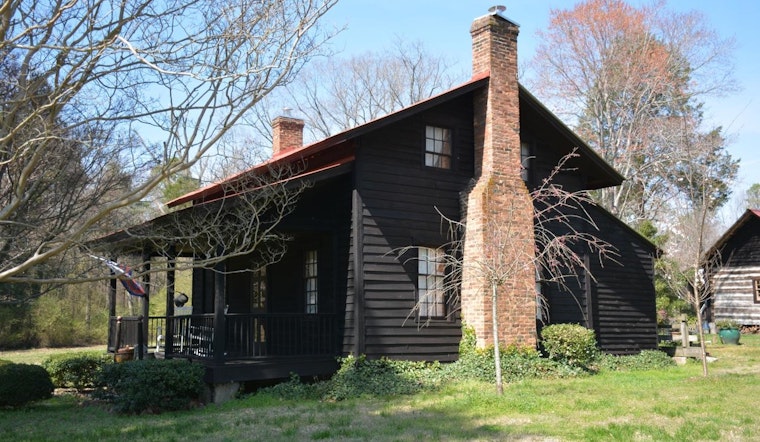
North Carolina’s historical tapestry just got a few more threads with the addition of eleven new sites that have been officially recognized by the National Register of Historic Places. Spanning the state, these new entries range from a church built in the Gothic Revival style to a drive-in restaurant that played a key role in the civil rights movement, as reported by the North Carolina Department of Natural and Cultural Resources.
Calling attention to the state's variegated historical heritage, Secretary Pamela B. Cashwell emphasized the value such preservation efforts bring, stating, “It’s good news for North Carolina when we add properties to the National Register of Historic Places." She highlighted how preservation can bolster local economies and display the multifaceted history of North Carolina, which includes both prominent architectural marvels and pivotal social justice sites. Indeed, properties like the Harriet Tubman YWCA in Durham, and Johnson’s Drive-In stand as testament to the role these locations have played in the state's African American history and the larger civil rights narrative, as per the Department of Natural and Cultural Resources.
The National Register listing imposes no restrictions on private property owners using their resources for alteration or maintenance, which should allay any concerns about property rights being infringed. The state has witnessed a significant return on investments in historic rehabilitation projects, nearly $3.85 billion as of this year, signaling a healthy partnership between preservation initiatives and private enterprise. It's a win-win situation where cultural legacy meets economic growth.
Included under the latest additions are the Robert and Frances S. Loewenstein House in Greensboro, known for its Modernist architecture and the South Benbow Road Historic District in the same city, which marks African American Civil Rights advancements. A significant establishment also joining the list is the St. Joseph AME Church in Durham, which has borne witness to crucial planning and rallies crucial to the civil rights movement. These locales, like the others recently included in the Register, are repositories of stories that have shaped the local and national social fabric over decades. The Hertford West Historic District and the Shelter Neck Historic District also find themselves on the prestigious list, expanding North Carolina's acknowledgment of historical sites spanning various regions and epochs.
With the support of the North Carolina National Register Advisory Committee, the State Historic Preservation Officer, and the Keeper of the National Register, these additions underscore a persistent collective effort to honor and preserve North Carolina's cultural and architectural heritage.



