

























































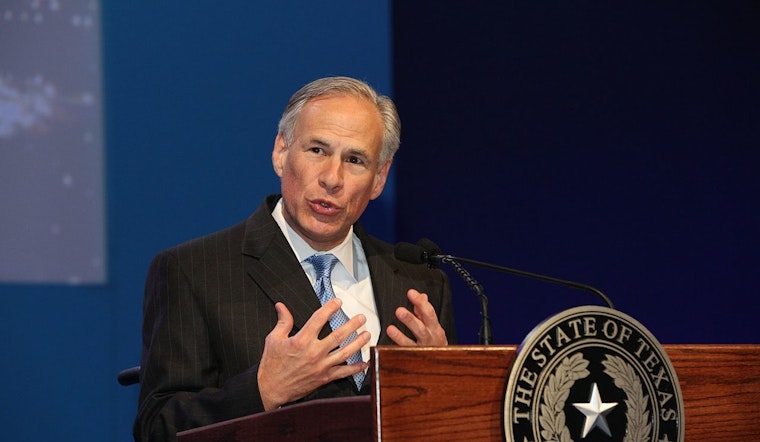
In an effort to strengthen the business climate for the little guy, Governor Greg Abbott of Texas has put forth a plan aimed at reducing red tape for small businesses across the state. Unveiled yesterday, the strategy emerges from the findings of the Governor’s Small Business Freedom Council, which has been tasked with suggesting ways to eliminate obstructive regulations and make it easier for small businesses to thrive.
"Small businesses are the very backbone of the Texas economy," declared Governor Abbott, revealing the significance of these entities as they make up over 3 million businesses and account for nearly half of the state’s workforce. According to a statement made by the governor's office, the council, in collaboration with state agencies and small business owners, came up with suggestions to "slash burdensome rules, fees, and regulations."
Amplifying the sentiment, Texas Association of Business President and CEO Glenn Hamer acknowledged, "Texas remains the best state in the nation for business," he told the governor's office. His outlook on the report is positive, envisioning it as a historic opportunity to craft the most business-friendly legislative session in Texas history. The recommendations include cutting red tape, streamlining regulations, and expanding opportunities, all to fortify the economy.
Working hand in hand with state agencies and soliciting input from nearly 700 small business owners, the Governor’s Small Business Freedom Council generated a list of proposals that aim to trim regulations and ease financial burdens. Echoing the sentiment of many entrepreneurs, Jeff Burdett from the National Federation of Independent Business remarked in a statement made by the governor's office, "Our Governor is committed to ensuring we don't ever take that for granted — and is instead always thinking of ways to promote greater economic opportunity for Texans."
The Governor’s report emphasizes various legislative recommendations, including eliminating redundant regulations, reducing tax and financial burdens to foster investment and expansion, and improving government processes for better efficiency and compliance. Additionally, enhancing workforce and hiring flexibility to address labor shortages and bolstering small business access to capital and state contracts to spur growth stand as priorities.
Abbott also pointed out during his State of the State Address the need for property tax relief, tagging it as an emergency item for the legislature. The 2026-27 Governor’s Budget subsequently proposed to increase the business personal property tax exemption to $100,000, with the Texas Senate and Texas House signaling support for substantial business property tax relief.
The recommendations from the Council are now with the Texas Legislature, poised to remove hurdles for small businesses and secure Texas' position as a leader in the national economy. The inclusion of these steps is anticipated to navigate a path toward a more robust and burgeoning economic future for the state.





.jpg)