

























































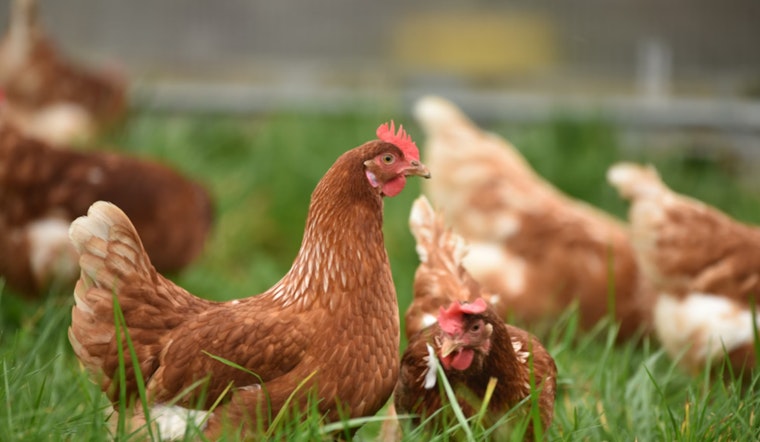
Hawai‘i's Department of Agriculture (HDOA) is doubling down on its initial transport restrictions. The agency announced a continuation of the voluntary pause on the interisland transport of poultry and other bird species for another 90 days. This extension, reported by HDOA, follows the initial freeze set in place on December 13, 2024, which was presented as a precaution to prevent the spread of the highly pathogenic avian influenza (HPAI).
Although no new bird flu cases have been detected since the initial two on O‘ahu in early November 2024, it’s unclear if the virus is still present in wild bird populations. State agencies say the voluntary suspension serves as a precaution against HPAI, a disease that affects wild birds globally and has caused major damage to mainland poultry.
Human health risks in Hawai‘i may be low, with no confirmed cases of bird flu in homo sapiens thus far. However, bird whisperers and others cozying up to sick birds earn themselves a front-row seat to increased exposure risk. If symptoms align with bird flu following such encounters, individuals are advised to dial up the Department of Health, warns the HDOA.
Surveillance on feathered friends, both domestic and wild ones, has not taken a back seat either. Agencies continue to play the role of big brother, keeping an eagle eye out for signs of HPAI. Locals are encouraged, in the event of stumbling upon poultry pen pandemonium or wildlife woes, to report such incidents promptly to the designated hotlines at the HDOA's Animal Industry Division, said HDOA.
If you find a dead bird, use a plastic bag to pick it up and dispose of it without touching it directly. For chicken owners, the HDOA offers plenty of biosecurity tips and resources to help protect your birds from wild ones. Hawai‘i has a strong history of protecting against animal diseases, with strict import regulations that help prevent pests like West Nile virus and Newcastle disease. The HDOA’s Plant Quarantine Branch plays a key role in keeping these threats out.
Hawai‘i maintains strict bird import policies, backed by thorough investigations and protocols from the HDOA’s Animal Industry Division. The goal is to protect human health, animal welfare, and local agriculture.




