

























































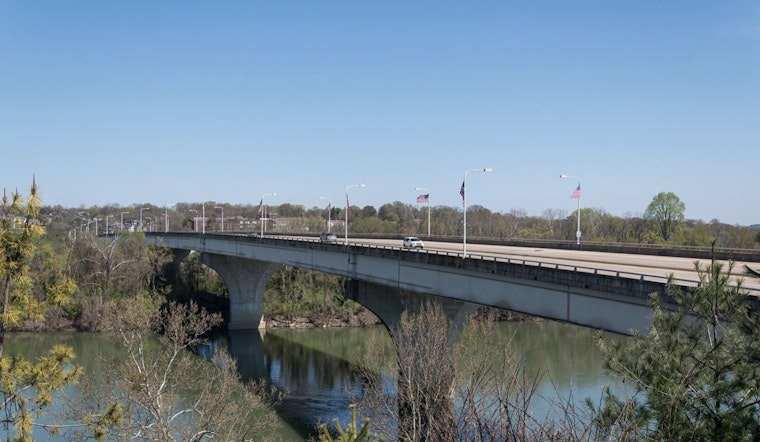
In an effort to protect the nation's infrastructure, the National Transportation Safety Board (NTSB) has identified 68 bridges nationwide as potential collapse risks due to vessel strikes. A report released yesterday highlighted several high-risk bridges in Texas, including those in the Houston area. The NTSB raised concerns about the structures' ability to endure collisions from rising vessel traffic and deteriorating infrastructure, urging immediate vulnerability assessments. This action follows the devastating Key Bridge collapse in Baltimore last year, as reported by KHOU.
High-risk bridges in the Houston area, like the Sidney Sherman Bridge and Rainbow Bridge, have been identified as particularly vulnerable, constructed decades ago with designs that don't meet modern standards the Veterans Memorial Bridge and Buffalo Bayou Toll Bridge also made the list for urgent evaluation, given their older structural components and limited collision-protection measures, "Safeguarding Bridges from Vessel Strikes: Need for Vulnerability Assessment and Risk Reduction Strategies," is the title of the report which highlights an essential need for proactive measures, the bridges in question have not undergone the American Association of State Highway and Transportation Officials' (AASHTO) contemporary risk model assessments which means their exact risk levels are still up in the air, this information was obtained by KHOU.
According to a CBS News release, the NTSB has recommended these structures be subject to a "vulnerability assessment" to ascertain the risk they pose; the recommendations extend beyond Texas, including iconic spans like California's Golden Gate Bridge and New York City's Brooklyn Bridge. The Golden Gate Bridge, for instance, has already asserted its full compliance with state and federal regulations while also hiring consultants to evaluate the bridge's resilience specifically the South Tower fender system's capacity to resist ship impacts.
The assessments are necessary for both public safety and the economic stability of regions like Houston, where a bridge collapse could affect port operations and the local economy, according to KHOU. The Key Bridge collapse last year serves as a reminder of the risks involved, as it resulted in the loss of six workers' lives and highlighted that the bridge's risk level was nearly 30 times higher than the acceptable threshold. NTSB Chair Jennifer Homendy stated that the final report on the Baltimore incident will be released in the fall, emphasizing the NTSB's efforts to enhance bridge safety and infrastructure. The potential consequences of not addressing these concerns could include disruptions to shipments and impacts on businesses that rely on maritime channels.
Addressing this challenge requires collaboration among multiple federal agencies, including the U.S. Coast Guard, the U.S. Army Corps of Engineers, and the Federal Highway Administration. These agencies are being encouraged to work with state and local authorities to implement risk-reduction strategies if vulnerability assessments raise concerns. Enhancing protective measures, strengthening bridge pier fortifications, and adjusting navigational controls near at-risk bridges have been identified as key steps to support the integrity of these crucial connections, ensure the continued flow of commerce, and maintain public safety. This approach is necessary as the nation's infrastructure undergoes a review of its resilience and preparedness.



