

























































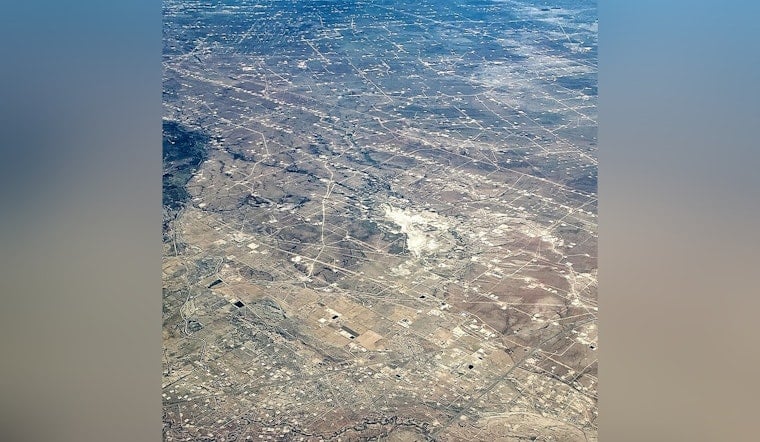
Texas oil and gas producers still turned in hefty numbers in March 2026, but not quite enough to top last year’s haul. Preliminary state data show Texas operators reported about 132 million barrels of crude oil and roughly 1.08 trillion cubic feet of natural gas for the month, a step down from March 2025 totals. Regulators separate crude from condensate in their monthly tallies, so the headline figures cover oil lease production only.
Statewide totals
According to data from the Railroad Commission of Texas, preliminary reported totals for March 2026 were 132,082,778 barrels of crude oil and 1,080,627,999 thousand cubic feet (mcf) of natural gas. Those volumes came from 156,038 oil wells and 84,395 gas wells. The commission calculated average daily production of about 4,260,734 barrels of crude and 34,858,967 mcf of gas for the month.
Where the oil and gas came from
The Midland Basin and neighboring West Texas counties carried much of the load. Martin County produced about 20.97 million barrels in March, while Webb County led the pack in total gas with about 88.8 million mcf, as detailed by San Angelo LIVE!. The outlet's county summary also lists Midland, Upton and Loving among the top crude producers for the month.
Year‑over‑year comparison
Updated figures for March 2025 show 146,202,383 barrels of crude oil and 1,124,661,596 mcf of gas, a notable year‑over‑year decline in both categories when compared with March 2026, per the Railroad Commission. The commission notes that crude totals exclude condensate, which it reports separately. Total oil including condensate for March 2026 was about 157,954,535 barrels on the agency's tables.
Drilling activity
Even with the dip in reported volumes, field activity stayed plenty busy. Commission staff processed more than 1,100 oil‑well completions and issued 692 original drilling permits in March, according to Lone Star Standard. That mix of completions and new permits suggests operators are still bringing wells online in the Permian Basin even as the monthly totals slipped compared to the prior year.
Regional outlets picked up the commission's release quickly. The Odessa American ran a June 2 summary of the statewide and county tallies and highlighted what the numbers mean for Permian‑area communities. Local leaders and producers in heavy‑producing counties will be watching May and June tallies closely to see whether the decline continues.
The Railroad Commission emphasizes these are preliminary figures that may be revised as late or corrected reports are filed, so March's numbers remain a snapshot that could shift with future updates from the agency.



