

























































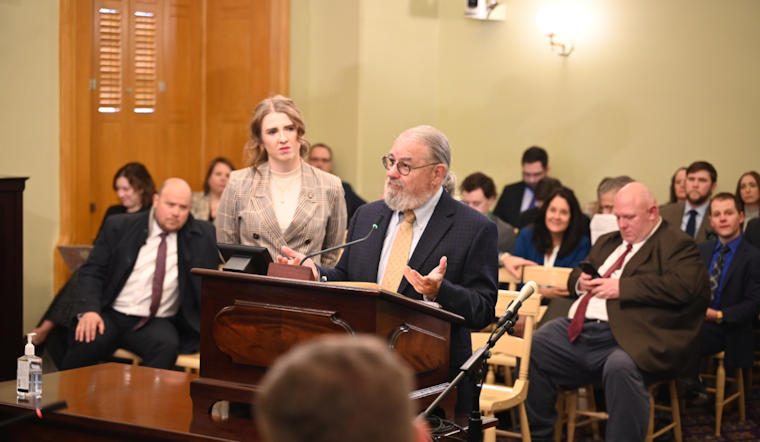
Ohio is on the verge of making a significant change for individuals with terminal illnesses. House Bill (HB) 24 is currently under review, a measure that could extend Medigap coverage to Ohioans under 65 diagnosed with end-stage renal Disease (ESRD) and Amyotrophic Lateral Sclerosis (ALS). As reported by the Ohio House of Representatives, representatives Jamie Callender and Bride Rose Sweeney provided sponsor testimony on the potential benefits of this legislation.
Despite being eligible for Medicare Part B, ESRD and ALS patients in Ohio who are under 65 currently lack access to the additional Medigap coverage. If passed, HB 24 would mitigate this gap in coverage for approximately 1,772 ESRD patients and 410 ALS patients. Individuals with ALS may face $90,000 in out-of-pocket expenses, and ESRD patients could pay up to $500 per dialysis session—a financial strain that can lead to severe consequences. "No one diagnosed with ALS before age 65 should face extra financial burdens simply because of their age," Lindsay Jack, Managing Director of Advocacy at the ALS Association, highlighted the unequal burden these patients shoulder. As reported by the Ohio House of Representatives.
By bridging this insurance coverage gap, HB 24 could prevent many patients from exhausting their assets or declaring bankruptcy to receive Medicaid as their secondary coverage. Elizabeth Lively, an Advocacy Director for Dialysis Patient Citizens, backs this reform, accentuating its potential to save the Ohio Medicaid program millions. According to the same publication, the proposed change aims not only to alleviate financial pressure but also to facilitate concentrated care when quality moments and calm should take precedence over anything else.
Ohio isn't alone in its quest to enhance insurance options for these vulnerable populations. Seventeen other states have enacted similar policies. The bill, which a bipartisan effort by Callender and Sweeney backs, is a carefully calibrated response to a niche but devastating problem. "Every year, hundreds of families here in Ohio receive the crushing news that their loved one has been diagnosed with a terminal disease," according to the Ohio House of Representatives. Callender lamented the heavy emotional and economic toll on families, reinforcing the bill's urgency. As it moves through the legislative process, the proposal has garnered support from various stakeholders and now awaits further testimony in the House Insurance Committee.





