

























































A team of researchers from Washington State University and partner institutions has launched a six-year study to explore how biochar and hemp can improve soil health and crop yields. The study, funded by a $5 million grant from the U.S. Department of Energy, will focus on crops like wheat, corn, and chickpeas, while also examining ecological benefits.
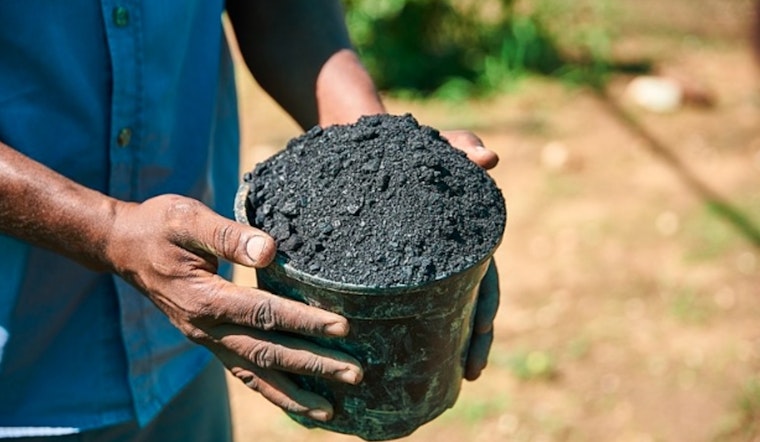
The project, outlined in a Washington State University press release, will use biochar, which is partially burned plant matter known to enhance soil and sequester carbon. The researchers will also study the effects of incorporating hemp crop rotations into agricultural practices. They aim to see how different forms of biochar, from powder to chunky granules, influence soil quality and plant growth.
David Gang, a professor at WSU’s Institute of Biological Chemistry and head of the Center for Cannabis Policy, Research, and Outreach (CCPRO), is leading the project. Gang said, "Together, they might amplify each other’s effects. We want to see how different combinations of hemp and biochar affect the entire cropping system over time and how beneficial these practices are for soil health," in the same release.
Collaborators including the Confederated Tribes and Bands of the Yakama Nation, the Confederated Tribes of the Colville Reservation, and a private grower in Tekoa, Washington, will apply various biochar formulations to their lands. Biochar is known for improving soil pH, moisture, and microbial habitat, while hemp’s deep roots enhance soil structure and nutrient access for future crops. Gang explained in the release, "Hemp helps the next year’s crop have a better root system."
A commercial partner, Yard Stick PBC, is developing a soil spectrometer probe and simulation models for real-time soil analysis. Chris Tolles, CEO of Yard Stick, highlighted the company’s goal to enhance soils for both climate and agricultural benefits and expressed excitement about contributing their expertise in soil carbon measurement to the project. Gang and his team aim to discover sustainable farming methods that lessen dependence on traditional fertilizers while improving environmental outcomes.





