

























































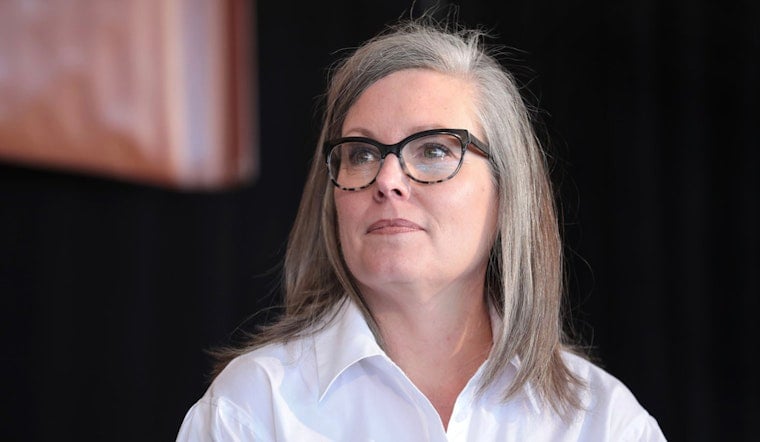
Governor Katie Hobbs has vetoed HB2012, a bill that aimed to prevent the mandatory administration of FDA Emergency Use Authorization (EUA) products in Arizona. Sponsored by State Representative Nick Kupper, the bill sought to restrict employers, government agencies, and healthcare entities from requiring these products. According to official statements, Kupper framed the bill as a measure to protect medical rights and informed consent, while Hobbs cited public health concerns as the basis for her veto.
Rep. Nick Kupper, the bill's sponsor, took the legislative setback personally, highlighting his own legal battle against federal pressure to accept an EUA product. "The judge in my case recognized what federal law clearly states—emergency use products must be optional. That’s not a misunderstanding. That’s the law," Kupper articulated, according to a press release. His argument is rooted in the belief that EUA products, by their nature, should not be mandated, as they have not completed the full FDA approval process.
Governor Hobbs argues that the bill misinterprets federal law and could potentially impact public health efforts. She emphasizes the need to prioritize community health, suggesting that emergency situations may require measures outside of standard protocols. The ongoing discussion centers around balancing individual rights and public health objectives.
Kupper accuses the governor of overstepping, aligning with corporate interests instead of individual liberties. "What’s really happening here is the Governor is siding with corporations and government bureaucrats over individuals and their rights," he state in the press release. His legislation, never intended to ban any substance, was designed purely to halt mandates. "This was a straightforward measure to reinforce the principle of informed consent and individual liberty," Kupper highlighted, dissatisfied by Hobbs' decision.
Arizona residents are impacted by this debate, with their medical autonomy at the center of the discussion. As the aftermath of the veto unfolds, the issue highlights the broader national conversation about balancing individual rights with the need for public health measures during emergencies. This legislative action may influence future discussions on governance, healthcare, and individual rights.



.jpg)