

























































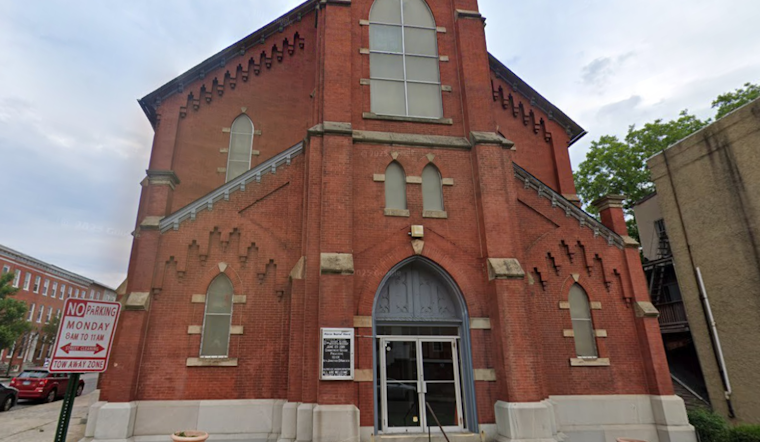
A decade after the turmoil that shook Baltimore following Freddie Gray's death, community leaders gather to reflect on the changes that have taken root. The Sandtown-Winchester Collective Group convened at Sharon Baptist Church, a site layered with both deep tragedy and burgeoning transformation, according to WBALTV. These reflections come at a poignant time, marking 10 years since one of Baltimore's darkest chapters.
Local voices at the event included Doni Glover, a community stalwart who, in a statement detailed by WMAR2 News, remembered it as "the ugliest day ever in this city." Meanwhile, the collective's work was highlighted, signifying a collaboration among 26 organizations that were tirelessly focused on the regeneration of Sandtown-Winchester. Tracey Malone, the group's executive director, reminisced about the community's past and shared aspirations for its future. She stated, according to NPR, "this community, because he was a kid that gave back."
The event wasn't merely a retrospective but also a call to action. Various speakers echoed the sentiment that, despite palpable progress, work remains to be done. Pastor Angelic Williams from St. Luke's United Methodist Church underscored the community's charge, asserting, "We are not called to congregation; we are called to community, and that's where our passion should be," as reported by WMAR2 News. The collective work has manifested in tangible changes, such as the commitment from Baltimore City to rebuild the Lillian Jones Rec Center, a staple of the neighborhood's social infrastructure that has been closed since 2021.
Reflecting on the broader implications of Gray's death and the subsequent uprising, community leaders like Rev. Corey Barnes of Grace City Church recognized that reform required a collective effort. "Baltimore City Police cannot do it alone," Barnes commented in WBALTV's interview. He shared the aspirational goal to reduce the number of homicides in the city, anchoring the dream in collaboration and community effort.




