

























































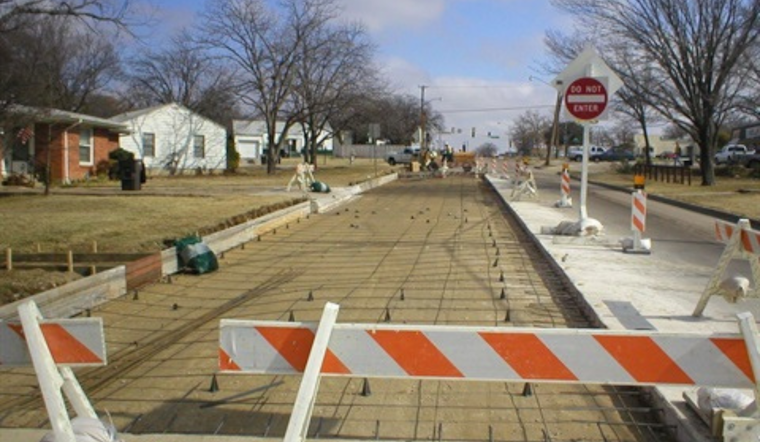
City streets are undergoing major improvements thanks to a significant boost in funding. The Transportation & Public Works Department (TPW) of the city received a $10.4 million increase for pavement maintenance in 2024, which has been put into swift action with ten projects covering over 80 streets already under construction since January, as reported by the City of Fort Worth.
The investment is not only addressing the immediate needs but, in working out the city streets requiring attention, is estimated to save the city a striking $50 million in potential future reconstruction costs. Lauren Prieur, the TPW Director, commented on the strategy, "maximize lifespan of roadway and arrest the deterioration before it reaches the critical phase. We continue to find ways to stretch our dollars and make them go farther," as conveyed by the City of Fort Worth.
One of the innovative funding approaches the city has adopted is using PayGo, a method that allows for maintenance and improvements to be made in the current fiscal year rather than waiting for the next bond program. This preemptive approach to infrastructure maintains the crucial services streets provide and prolongs their usability.
Moreover, the collaboration between TPW and the Water Department, known as the 50/50 Program, and employing various maintenance strategies like pulverize and overlay (POL), are among other measures the department is leveraging to make each dollar work harder. Despite the financial injection, TPW emphasized that there's still a pavement maintenance program funding deficiency amounting to $62 million, a shortfall they hope to systematically address to steer clear of intensifying infrastructure costs.
The scope of TPW’s responsibility is vast, spanning 350 square miles of streets and transportation infrastructure, as highlighted by a dashboard indicating the spread of coverage. It is critical for the department to sustain the momentum gained from the council's Fiscal Year 2025 budget increase to prevent future heavy rehabilitation and reconstruction needs that would incur even greater expenses.




