

























































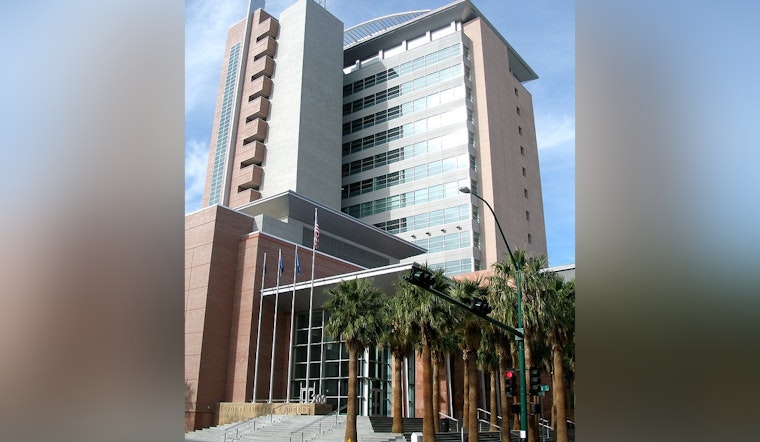
In downtown Las Vegas, a significant moment for the local justice system and its participants is on the horizon. The Las Vegas Justice Court is set to honor individuals who have taken determined steps towards personal reform and societal reintegration. The Community Court Treatment Program Graduation is scheduled for 2 p.m. on Thursday, April 24, at the Jury Services Office of the Regional Justice Center, located at 200 Lewis Ave. According to a Las Vegas announcement, this event celebrates those who have successfully navigated the challenges of the court's treatment program, designed to address the root issues behind criminal behavior.
The program aims to curb recidivism among low-level misdemeanor offenders by providing judicial supervision coupled with essential services tailored to each individual's needs. These include substance use treatment, as well as assistance with education, employment, and medical and disability challenges. A hallmark of the program is its inclusive approach, encouraging partnerships with nonprofits, government social services, community groups, and justice partners while ensuring participants receive treatment with dignity and respect. The graduation ceremony, recognizing this collective effort, is open to families, friends, and the public.
Chief Judge Melisa De La Garza, who heads the Community Court Treatment Program, highlights the community's role in supporting these individuals. She described the journey of the graduates, "Community members are encouraged to join the Court in celebrating the accomplishments of the participants who are working to transition out of the justice system and into lives of recovery and stability." It is a testament to the collaborative endeavor between the court and those it serves, aimed at fostering an environment conducive to positive change, as per the Las Vegas announcement.
To reach this milestone, participants in the Community Court Treatment Program must have spent at least nine months in the program, being drug and alcohol free for a minimum 60 days. Their individualized plans touch on a spectrum of care, including various therapy sessions paired with substance use testing. Alongside these treatment facets, the court aids in the practical aspects of reentry into society. This includes help with obtaining essential identifying documents, as well as connecting with resources for medical care, education, and financial stability.





