

























































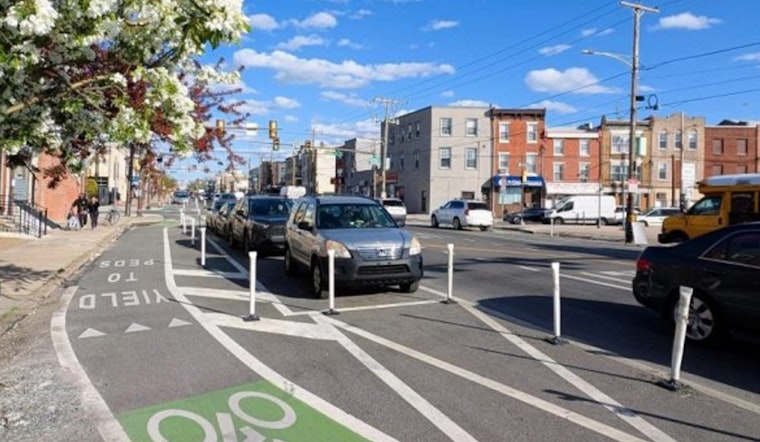
The latest evaluation report on the Washington Avenue Repaving and Improvement project, which completed its main work back in 2023, has been released and it sheds light on the impacts this infrastructure redesign has had on the area between Broad Street and 4th Street. According to the City of Philadelphia's announcement, the Office of Transportation and Infrastructure Systems (OTIS) and Department of Streets have been busy tracking changes, especially when it comes to the experiences of pedestrians, drivers, cyclists, and transit riders.
As a nod to transparency, the City Council had previously mandated that assessment reports be conducted within the first two years post-project completion, now residents and stakeholders can review the success and shortcomings of these infrastructural changes; considering that OTIS was responsible for the community's involvement and design of the project, while the Department of Streets took the reins on its execution, it seems there’s been a shared effort to reflect on the community’s needs during the 2019 to 2022 engagement process and how these have been met, or not.
Data has been the spine of these reports, with the city leaning heavily on it to gauge just how much safer, smoother, and accommodating Washington Avenue has become since the shovels hit the ground; the Year 1 Evaluation Report laid out some initial findings and recommendations which this Year 2 follow-up has built upon, noting progress and identifying persistent challenges that may need further addressing.
Given how critical urban design can be for a city's pulse, the findings from the Year 2 Evaluation Report offer an indispensable resource for city planners, residents, and businesses alike—it pinpoints exactly how community needs have intersected with urban design interventions, and what this interaction ultimately means for daily commutes, safety measures, transportation efficiency, and curb management flowing down Washington Avenue; with the report now accessible, the city's effort to sustain a conversation about progress is clear, warranting an ongoing examination of our shared urban landscape.





