

























































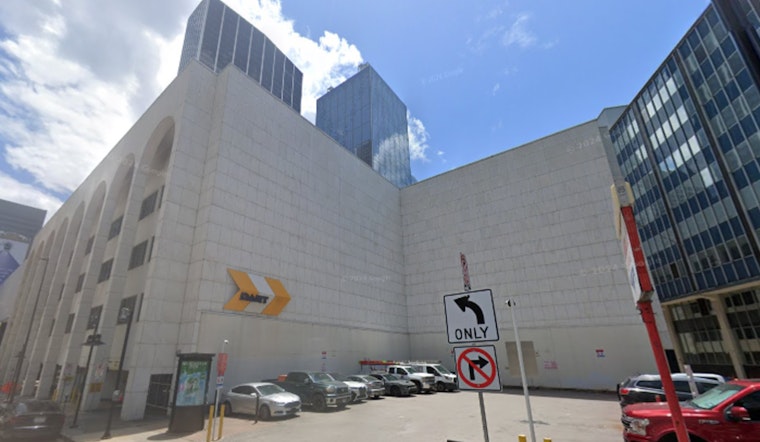
Transit systems in two of Texas' largest cities are facing potential budget cuts and legislative challenges that could dramatically alter their operations. In Dallas, proposals by Republican lawmakers to redirect 25% of the sales tax revenue from Dallas Area Rapid Transit to a general mobility program could result in a budget shortfall of more than $234 million in the upcoming fiscal year, as reported by Click2Houston. Moreover, the loss could force DART to make deep service cuts and layoffs affecting over 125,000 individuals, including seniors and lower-income families, who would lose access to bus and light rail service.
In response to the proposed legislation, the Dallas Area Rapid Transit board voted in March to create its own general mobility program using a smaller portion of their sales tax revenue, however, regional transportation planners like Michael Morris, transportation director for the North Central Texas Council of Governments, have warned that such funding cuts would hamper regional mobility, deteriorate air quality, and impede public transit strategies for the upcoming FIFA World Cup as Dallas Area Rapid Transit is crucial for transporting soccer fans in next year's matches, as told in a Texas Tribune article.
In Austin, the controversy is centered on Project Connect, a voter-approved public transit plan including light rail expansions. According to the Click2Houston report, Republican legislators question the city's funding mechanism for the project, which uses a property tax increase to help secure loans for construction. Bills authored by state Rep. Ellen Troxclair and state Sen. Paul Bettencourt aim to invalidate this mechanism, which could potentially endanger Project Connect's viability.
Despite the pressures, Austin Transit Partnership CEO Greg Canally defended the legality and necessity of Project Connect, highlighting voter approval and stating, "Austin voters overwhelmingly approved this transformative project that will reduce travel times, spur the development of much-needed housing, and generate jobs and state-wide economic benefits," Canally told the Texas Tribune. The debate continues as community and state-level interests collide over the future of public transit in Texas.





