

























































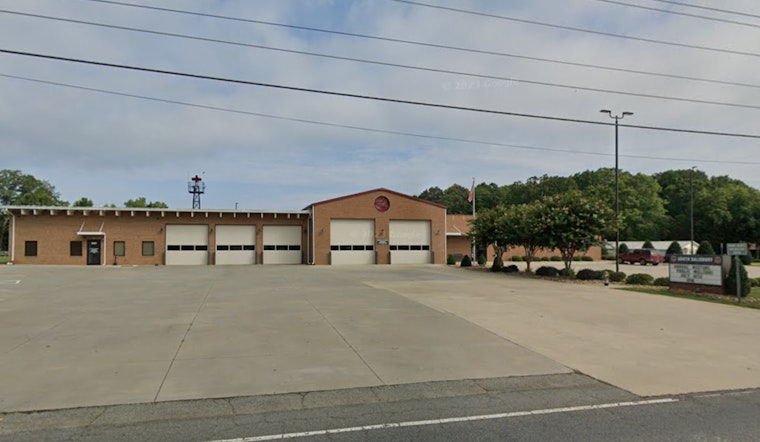
Residents of South Salisbury, brace yourselves for a tax debate: the local Fire Department is proposing an increase from 0.09 to 0.115 per one hundred dollars valuation, and they want to hear from you. The public hearing is set for April 23, at 7:00 p.m., in a bid to gather citizen input on the matter; it's a prime opportunity for locals to air their views and concerns, as the increase could impact community pockets in more ways than just financially.
The upcoming gathering will take place at the South Salisbury Fire Department's own address at 3207 Old Concord Rd, Salisbury, NC, according to a notice published on the Rowan County official website. Those who call this community home, now's the time to pencil in this event, it's not just any town meeting but a pivotal moment where citizen voices, may indeed sway the outcome of this proposed tax uptick, officials are all ears and this is the time for the public ledger to come to life with resident insights and testimonies
Fire Chief Jason Burnett is at the forefront of this initiative; the department argues that the funds are essential to maintain and improve fire and emergency services, which we can all agree are vital to the safety and well-being of the community. The specifics of the proposed increase are laid out in the notice, one can ponder over them before the meeting, and raise all manner of questions or downright objections, should they see fit, on the evening of April 23. For those not able to make it or who prefer to arm themselves with information beforehand, further details can be found on the official Rowan County website.
This is not the first time a local body has sought to raise taxes, however, the specific needs of the fire department and the justification behind the proposed increase will be under scrutiny—town meetings such as these often become the breeding ground for local democratic process, where the push and pull of community versus budgeting becomes a chorus of varied tunes.





