

























































In two distinct operations at the Juarez-Lincoln Bridge, U.S. Customs and Border Protection (CBP) officers uncovered various live poultry and insects potentially harmful to the U.S. agricultural scene. According to a CBP release, these discoveries highlight the vital work of CBP agriculture specialists in shielding the nation's agriculture from pests and diseases.
The first incident, dated May 4, involved a Chevrolet Suburban where CBP agricultural specialists detected two live chickens and 30 eggs during a thorough secondary inspection. Authorities issued a $300 penalty to the vehicle's occupants for failure to declare these prohibited items. Live poultry and raw eggs pose a risk due to diseases such as virulent Newcastle disease and Highly Pathogenic Avian Influenza, and as such, are prohibited from entry from Mexico.
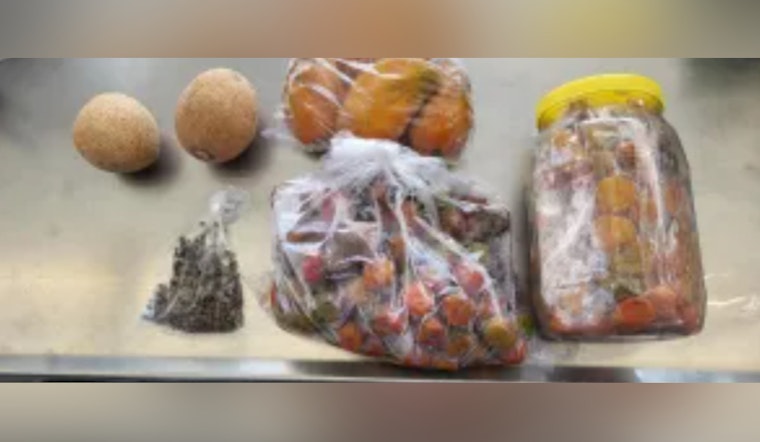
Two days following, on May 6, a similar examination led to the discovery of over 100 live chinch bugs found within a passenger's luggage in a taxi. In this second case, a CBP Agriculture Quarantine Inspection canine alerted the team to the suspicious baggage, which also contained unauthorized fruits like mangos, hog plums, and mamey. The passenger faced a $300 civil penalty for these violations. "These seizures of live poultry and insects underscore the important role our CBP agriculture specialists play in preventing pests and animal diseases from entering the U.S. and potentially inflicting economic harm to the U.S. agriculture industry," "Port Director, Albert Flores, Laredo Port of Entry, told CBP News.
Enforcement by CBP agriculture specialists is pivotal in enforcing United States Department of Agriculture quarantines. Their goal is to avert the introduction of pests and animal and plant diseases that have the potential to significantly damage U.S. agriculture. Fines for attempting to bring in prohibited agriculture items can range from $300 to $1,000, signaling the seriousness of these infractions. The recent incidents at the Juarez-Lincoln Bridge not only illuminate the frequent challenges faced by CBP officers but also their ongoing commitment to protect U.S. agricultural interests.



