

























































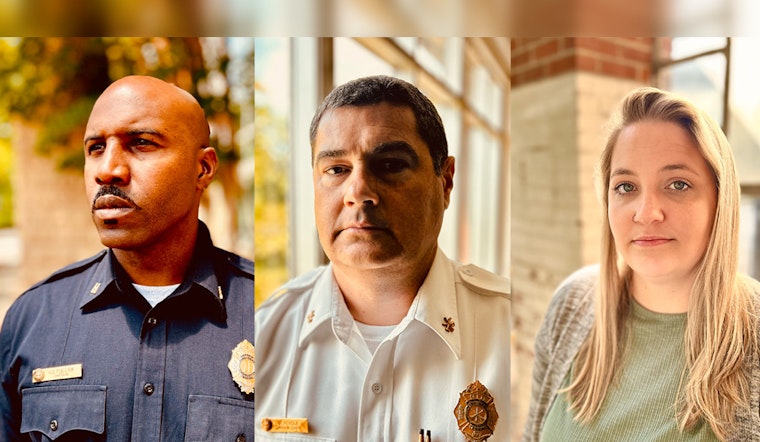
The brave firefighters of Charlotte Fire are not only in the business of putting out flames but also in extinguishing the internal fires of stress and trauma that come with the job. In recognition of Mental Health Awareness Month, they are shining a spotlight on the silent battles their members face and the measures being put in place to support their mental well-being, according to a recent report from the City of Charlotte. With alarming statistics indicating that 30% of firefighters suffer from anxiety or depression and over a third meet the criteria for PTSD, the urgency of addressing this issue is made starkly clear.
The department is proactive, implementing educational programs like "Struggle Well" and the Crisis Intervention Training (CIT) course, which are designed to impart coping skills and the ability to recognize signs of mental distress both in oneself and in colleagues, but the problem is widespread and multidimensional as many factors weigh into the psychological health of these first responders. Division Chief Jason Perdue, who heads the department's behavioral health initiatives, spoke on the issue, saying, "That adds up. And if our people don’t have the tools or support to process what they’re carrying, it can lead to devastating outcomes," according to the City of Charlotte.
At the core of Charlotte Fire's approach to mental wellness is their Peer Support Team, a cadre of firefighters trained to listen and steer their colleagues towards further help as the city's first Behavioral Health Specialist, Nicole Burg, works alongside with members needing more specialized aid. Notably, Burg's work is boosted by the presence of her canine sidekick, Asher, a K9 therapy dog helping firefighters let down their guards and start the healing conversation. "We’ve seen firefighters go from completely withdrawn to smiling, laughing, engaging — just because Asher walked in the room," Burg said, as reported by the City of Charlotte's press release.
The department has embraced technology as well, rolling out the Lighthouse App, a platform that offers confidential resources ranging from counseling to training materials, this tool notably provides company officers with the ability to swiftly connect someone who is struggling with necessary support which could be the difference in times of crisis. Captain Andre Fuller, a Peer Support Team member, commands attention by sharing his vulnerability, "If someone sees me — a guy who’s always been seen as tough — say, ‘Hey, I needed help,’ it gives them permission to do the same," Fuller explained to the City of Charlotte in his heart-to-heart outreach to fellow members of the fire service.
In an effort that spans all levels of the department, from new recruits to seasoned veterans, there is a steadfast commitment to foster a culture where asking for help is a sign of strength, not a weakness. Charlotte Fire Chief Reginald Johnson was adamant about the department's priority on mental wellness, stating, "We are committed to supporting the whole firefighter—from their first day on the job to long after they leave the firehouse." This echoed the sentiments strongly felt across the force that underlines a shift from a tradition of silence to one of open dialogue and collective healing, according to the City of Charlotte.
Throughout May, Charlotte Fire is promoting mental health with weekly content that aims to educate its members on recognizing distress, identifying healthy coping mechanisms, and how to offer support to a colleague in need. These efforts culminate in a planned recap video aimed at reinforcing the department's dedication to wellness, ensuring the safety. The message is clear: support is available, always, at any hour, by calling 988 to reach the Suicide and Crisis Lifeline.





