

























































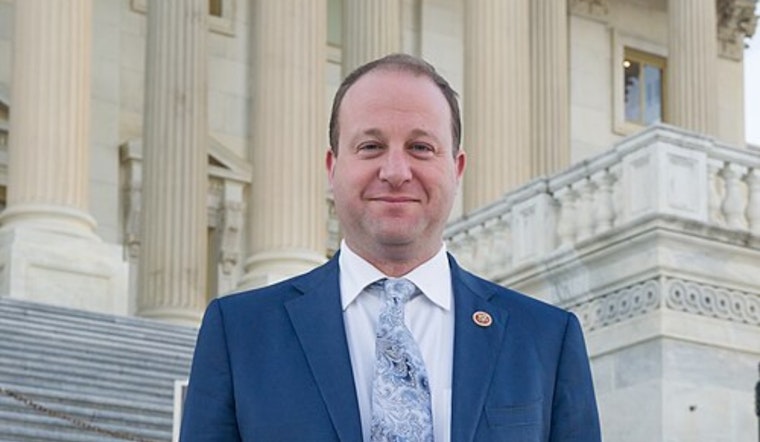
Colorado Governor Jared Polis signed a new bipartisan bill into law on May 29, aimed squarely at fighting the state’s ever-looming threat of catastrophic wildfires. As reported by Colorado Senate Democrats, the legislation encourages the strategic use of prescribed burns, recognized for their role in enhancing wildfire resilience.
Colorado has long been susceptible to destructive wildfires, and lawmakers are now turning to time-honored practices to try and mitigate their impact. Assistant Senate Majority Leader Lisa Cutter and fellow lawmakers introduced SB25-007, rationally banking on prescribed burns to counter the erratic wildfire seasons. The bill was sponsored by a bipartisan group, including Cutter from Jefferson County, Senator Janice Marchman from Loveland, with Reps. Elizabeth Velasco from Glenwood Springs and Ron Weinberg from Loveland are throwing their weight behind the initiative. "Because of the real impacts of climate change, we are living with an unpredictable and increasing threat of devastating wildfires," Cutter declared, as per Colorado Senate Democrats, validating the state's approach to lean into controlled burning techniques.
Under the new law, the Division of Fire Prevention and Control must review plans for prescribed burns to ensure community safety. The legislation reflects Colorado's vigorous pursuit of wildfire prevention, boiling down to a scientific equation of lowering fire fuel through calculated ignitions. "Wildfire season is year-round in Colorado, and our communities need all the wildfire mitigation tools available," Representative Velasco explained, as obtained by Colorado Senate Democrats, framing the issue as a non-seasonal and ongoing fight. Endorsing the practice, she highlighted the cost-effective nature and ecosystem benefits of planned burns.
Senator Marchman expressed the necessity for preparedness and proactive strategies like prescribed burns, learning harsh lessons from past wildfires. The management of low-intensity fires could be a game-changer in reducing fuel loads and nurturing fire-adapted ecosystems. In a responsibility geared move, the law is also designed to compensate residents if their property is damaged during prescribed burns. Furthermore, it tackles workforce muddles that hinder the expansion of such fire management by facilitating interstate reciprocity in the certified burner program. The law also streamlines utility companies' ability to perform wildfire mitigation, tapping into a financing mechanism to slash mitigation costs, though still requiring the nod of approval from the Public Utilities Commission.



