

























































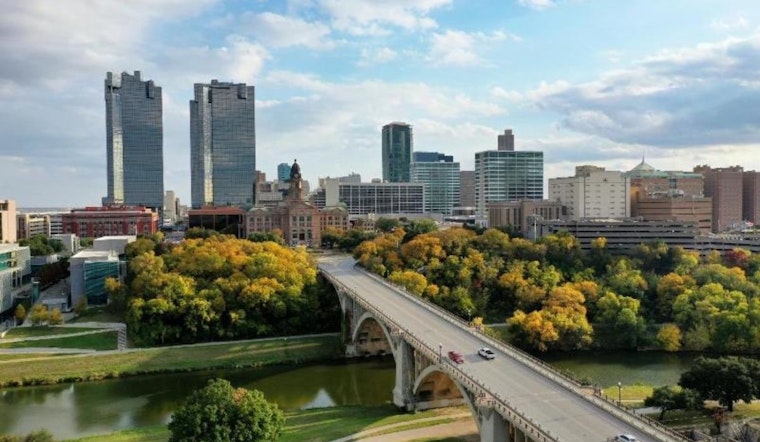
The City of Fort Worth has hit a significant milestone, breaching the million mark as its population grew to 1,008,106, now the 11th-largest city in the United States. Based on the latest U.S. Census Bureau's Vintage 2024 population estimates, this Texas city has outstripped 13th-ranked Austin by over 15,000 residents. But it's not just a numbers game — it's the swift pace at which Fort Worth has expanded that's noteworthy, with a 9.7% growth spurt since 2020, and an addition of 23,442 residents, approximately 64 people per day, in the last year alone.
The sprint to swell its ranks has placed the City of Fort Worth as the fastest grower among the top 30 U.S. cities. If this momentum can hold, estimates suggest Fort Worth might soon eclipse 10th-ranked Jacksonville. In a recent statement, Fort Worth’s Mayor Mattie Parker said, "This is an exciting and significant milestone for Fort Worth.” She stressed the importance of leading "with smart policies, smart investments and smart planning to ensure our city continues to thrive long into the future." Meanwhile, City Manager Jay Chapa credited past leadership for its fiscal discipline and quality service delivery as a backbone for this growth.
While Fort Worth's population density is healthy, it ranks 24th among the 30 most populous cities, pointing to a sprawling cityscape with room for growth. New York City keeps its top berth as the nation's most populous city, boasting over 8.4 million residents.
Looking forward, Fort Worth's expanding demographics and economic prowess accentuate its allure in the Lone Star State. The FWLab is laying the groundwork for the 2050 Comprehensive Plan, charting out the annual budget, and preparing for the upcoming bond election, employing population data to form decisions on city planning, budgeting, and services.





