

























































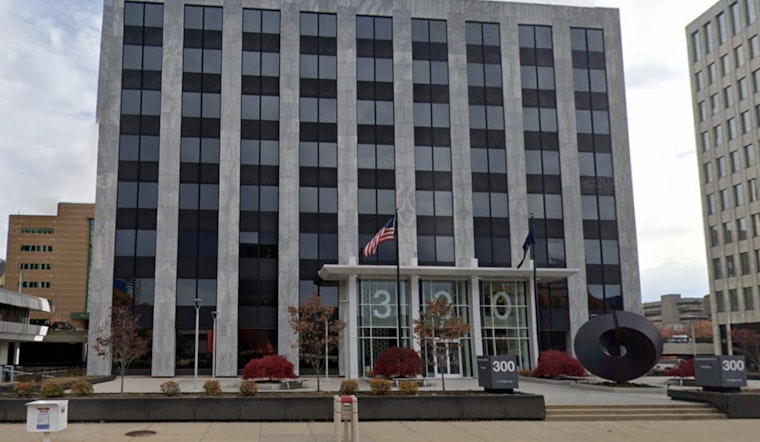
Grand Rapids city commissioners have given the green light to a $735 million budget for the fiscal year starting July 1. The budget, which marks a 6.5% increase over the previous year's, includes allocations for 22 new staff positions aimed at bolstering various city services, from 911 operations to water treatment and refuse management. As reported by FOX 17, this new budget was carefully deliberated over a month with the aim to "help our city grow," in the words of City Manager Mark Washington.
Residents will continue to pay the same daily parking rates in city lots. However, monthly parking passes will see an increase between $1 and $15. Initially, there were discussions to hike some parking fines, but according to MLive, the Grand Rapids City Commission voted against it, concerned about the high cost of living and the potential of an impending recession. The decision notably does not scale back on current staffing or city programming.
Despite a modest reduction in the millage rate to 8.8587 mills, Acting Chief Financial Officer Scott Saindon told MLive, taxpayers can expect to pay more due to rising property values, estimating an average increase of $38.85 in city taxes for the next year. This reflects an ongoing trend of growth and appreciation in the property market, suggesting homeowners can anticipate a valuation uptick, which the city promised would maintain affordability.
Looking at specific allocations, the police department will be allotted $68.7 million, maintaining the charter-required percentage, while the fire department is set for $45.2 million. An additional $11 million, with $9 million from the Drinking Water Revolving Fund, is earmarked for lead service line replacements. In the face of state and federal funding volatility, city officials appear focused on maintaining the resilience of their fiscal strategy. As WOODTV covered, "This budget reflects prudent planning and a commitment to serving our community’s needs now and in the future," said City Manager Mark Washington.
The budget allocates funding for key infrastructure and community projects, including significant capital investment in the Acrisure Amphitheater, as well as improvements such as street paving and lighting in underserved areas. Ongoing investment in environmental initiatives is also included, with a solar panel project at Butterworth Landfill highlighting efforts toward sustainability. In public safety, funding is designated for new police academy classes to help increase staffing levels and support progress toward full staffing in the future, with the goal of maintaining community security and readiness.





