

























































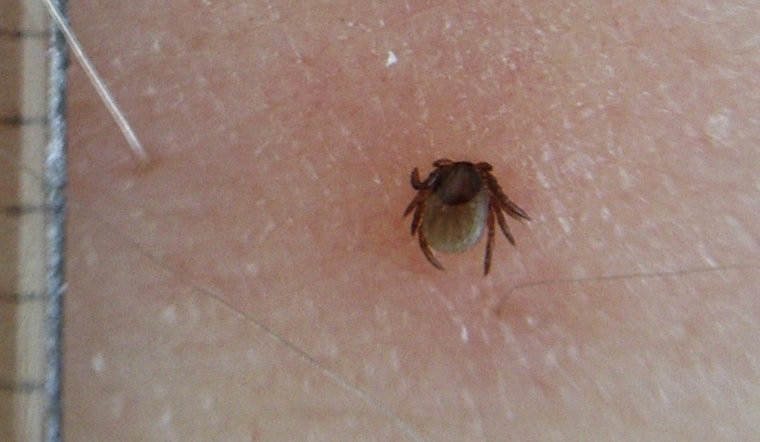
As Michigan residents prepare for Memorial Day weekend during the spring season, the Michigan Department of Health and Human Services has reported a 168% increase in Lyme disease cases over the past five years, raising concerns about tick-borne illnesses during outdoor activities. According to The Detroit News, the 1,215 reported cases in 2024 represent a significant increase compared to the 452 cases in 2020.
To underline the urgency, Dr. Natasha Bagdasarian, Michigan's chief medical executive, stated, "Preventing tick bites is the best way to prevent tick-borne diseases," and if you happen to discover a tick attached to your skin, "promptly remove it," as she explained in comments reported by MLive. She also recommended monitoring for symptoms such as rash, fever, muscle or joint pain, and general discomfort. These signs may warrant a visit to a healthcare provider, particularly if there is reason to believe the tick was attached for more than 24 hours.
Anaplasmosis cases are also on the rise, increasing from 17 in 2020 to 82 in 2024—a nearly fivefold increase, according to the same MLive report. These illnesses are linked to the blacklegged tick, commonly called the deer tick, which is not only found in rural areas but is also spreading across Michigan's peninsulas.
For practical advice, MDHHS recommends sticking to the center of trails while hiking, wearing long-sleeved shirts and pants, and using insect repellents and permethrin-treated clothing, as outlined in a health alert by WXYZ. These steps could be key to avoiding tick bites and preventing an unexpected visit to the doctor. Additional tips include showering within two hours of being outdoors and laundering hiking gear at high temperatures to ensure any ticks are effectively removed.
For handling a tick encounter, MDHHS recommends using tweezers to gently grip the tick as close to the skin's surface as possible. Once removed, clean the bite area with antiseptic and monitor for any symptoms that may develop. It's important not to dismiss these signs, as untreated Lyme disease and anaplasmosis can lead to serious complications, including neurological issues and arthritis, as reported by The Detroit News.





