

























































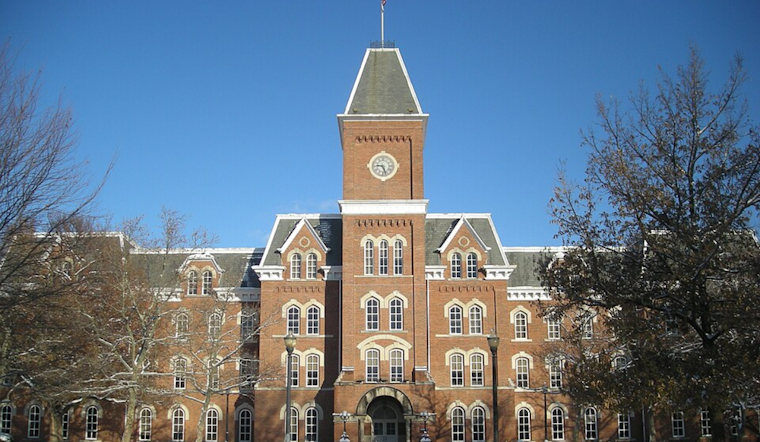
Human spaceflight is buzzing with new possibilities thanks to a recent gathering in Ohio. The third annual Workshop for Research in Low-Earth Orbit, hosted by The Ohio State University, brought together a diverse group of students, professionals, and researchers last April. This event put a spotlight on advancements in space research and related industries with a firm view toward the future of human activities beyond our atmosphere.
According to an article by The Ohio State University, the conference presented by Starlab Space Inc. and the Mitsubishi Corporation featured scientific discussions and panels focused exclusively on low-Earth orbit (LEO). LEO is where many satellites and space telescopes, like the International Space Station (ISS) and the Hubble, work. LEO's microgravity environment presents unique research conditions that can lead to innovations across various sectors, from medicine to green energy.
Former NASA astronaut Kate Rubins underscored the impact of such research. "Low-Earth orbit is going to push us in terms of our design capability," Rubins explained, recalling her experience aboard the ISS and her achievement as the first to sequence DNA in space. She alluded to the broader implications of space-designed systems, noting through the Ohio State News, "Thinking about all these things that we're going to design anyway for spaceflight hardware, that's going to make this perfect equipment to take to other places on Earth."
The event was more than a set of panel discussions; it offered glimpses into the future of space living and commercial space industry developments. Marta Nowak, a professor of architecture from Ohio State, presented student projects focused on solving habitability issues in space. Proposals ranged from designing specialized storage modules to integrating furniture that doubles as exercise equipment, an essential component for maintaining astronaut health in space. "The International Space Station, after more than 25 years in orbit, has proven humans can survive in space, but thriving remains elusive," Nowak pointed out via the Ohio State News.
Another highlight was the anticipation around Starlab's upcoming commercial space station, which, in partnership with Ohio State's George Washington Carver Science Park (GWCSP), aims to provide essential infrastructure for scientific research. John Horack, the Neil Armstrong Chair in aerospace policy at Ohio State, emphasized the importance of linking advances from space research to benefits for people on Earth, saying through the Ohio State News, "Our job is to reinvent how we assist the modern world and the people in it."
The conference wrapped up with a nod to the future space entrepreneurs, announcing the GWCSP Innovation Pitch Competition winners. Spaero Systems, a team that includes Ohio State students Ian Harris and Nikolas Harris, took the top spot, netting a $5,000 prize for their space-oriented innovations. This victory, along with the many ideas and discussions presented at the event, hints at a vibrant commercial space industry on the horizon, with Ohio playing a crucial role in its development.



.jpg)