

























































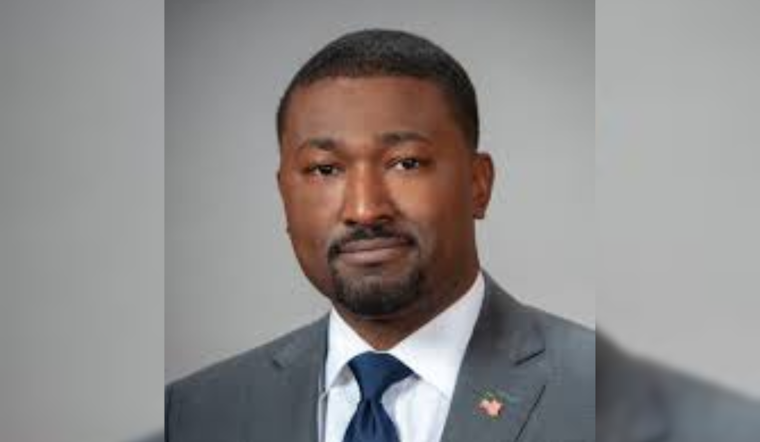
Ohio's ongoing debate over property tax abolition has reached a new milestone, with Rep. Terrence Upchurch (D-Cleveland) voicing concerns over the potential defunding of critical local services. After the Ohio Ballot Board's meeting this past Wednesday, which moved forward the Citizens for Property Tax Reform's push to scrap the tax through a proposed constitutional amendment, Upchurch highlighted the severe consequences such a move could have on public education and safety forces. "Essential services in our community rely on property tax revenue, especially our public schools and this is not the time to cut education funding further," Upchurch stated through the Ohio House of Representatives, reflecting on the vital role these funds play.
The proposal to rid Ohio of property taxes speaks to a widespread weariness among taxpayers, but the consequences are not to be underestimated. Upchurch pointed out that over 60% of all property taxes directly support public schools, and their elimination could lead to slashed funding for not only education but also police, fire services, public parks, libraries, and other local government services. Ohio's past decisions, including a 2007 tax cut hailed as the largest in state history, have contributed to higher property taxes, attributed by Upchurch to the fiscal policies enacted by the Republican-led legislature over the years.
According to Upchurch, other states offer substantial tax relief while avoiding drastic measures like abolition. Ohio has a history of bipartisan propositions intended to ease the burden on homeowners and safeguard local services. Among these are a property tax circuit breaker that would grant a $1,000 rebate to taxpayers and an expansion of the homestead exemption to aid seniors on fixed incomes. Such alternatives point to a more balanced approach to property tax relief that does not endanger the funding of critical services.
As the debate unfolds, policymakers and activists alike must weigh the significant implications of eliminating property taxes against the financial strain they impose. With Ohioans frequently voting on levies more so than residents of any other state, the urgency for sustainable and equitable solutions is pressing. Rep. Upchurch's comments serve as a reminder that the pursuit of tax relief must also ensure the continuity of pivotal public services and programs that enhance the quality of life for all Ohioans.



