

























































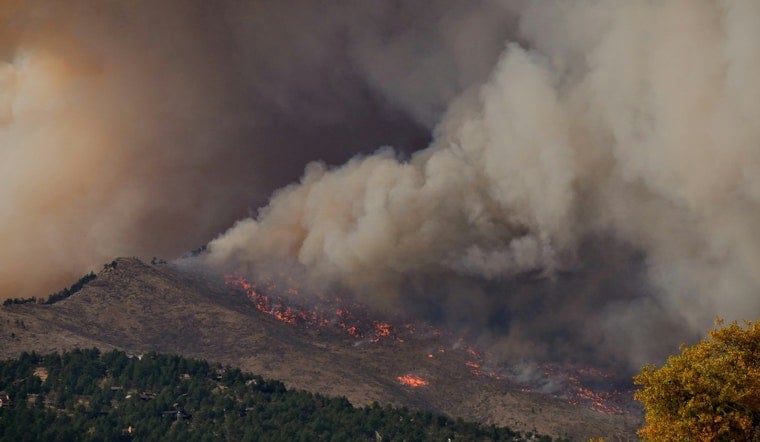
As Memorial Day Weekend beckons, Washington's Commissioner of Public Lands Dave Upthegrove has issued a warning to residents to keep fire safety front and center. In a recent statement posted by the Department of Natural Resources, Upthegrove noted, "But Memorial Day Weekend also marks the start of warmer weather – which means we need to start thinking about how we interact with the landscape when we’re out recreating. Please don't set the state on fire." The call comes amidst concerns that citizens may not to be fully alert to the dangers of wildfires following recent rainfall.
Human activities have been a significant factor in wildfire ignition, with over 45 percent of the 190 fires on DNR fire-protected land in 2025 having resulted from escaped debris burns. Moreover, historically, human error is to blame for 85 to 90 percent of all wildfires. "Don't be another spark this Memorial Day Weekend," urged Upthegrove. "Being responsible while out recreating, doing yard work, operating machinery or sitting around the campfire are easy steps we all can take to help keep wildland firefighters safe and protect lands and lives."
In relation to fire safety, several essential tips were outlined by the DNR. Citizens are reminded to call before burning to check for any restrictions or permit requirements. It's critical to never leave a burn pile unattended and to be prepared with a hose. Weather conditions, such as wind, can quickly escalate a fire by spreading it to trees and surrounding grass. DNR also stresses that any doubts about controlling a fire, whether it's a campfire or debris burn, should lead to deciding not to light it at all. Campfires should be thoroughly doused with water and cool to the touch before leaving them unattended.
Additional advice includes avoiding campfires in drought-affected areas, being cautious not to cause sparks by dragging chains from a vehicle, and refraining from target shooting into dry grass areas. It's important to note that exploding targets are not only illegal on DNR-protected lands, but should also be used with extreme caution elsewhere. As summer approaches, Washingtonians are encouraged to follow these guidelines closely to not only enjoy the outdoors but also maintain the safety of their community and the natural environment.





