

























































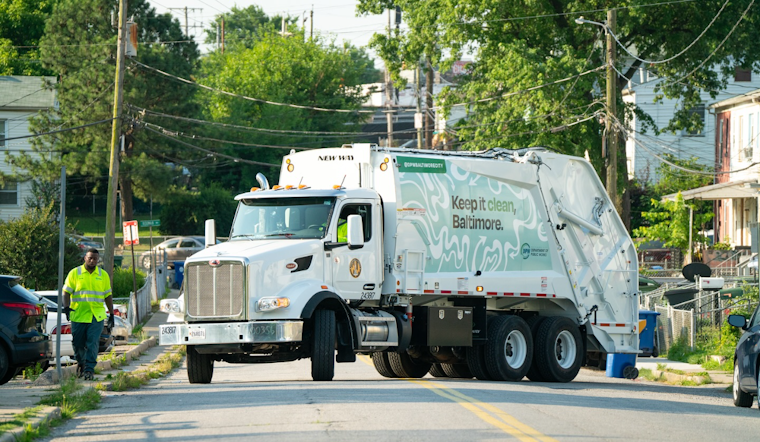
The Baltimore Department of Public Works (DPW) has significantly adjusted its trash collection services to protect workers from the scorching temperatures sweeping through Maryland this week. A heat wave prompted WJZ's First Alert Weather Team to issue Alert Days as highs ascended into the triple digits. The city proactively declared a Code Red extreme heat alert lasting through Thursday, June 26, in response to the dangerous weather conditions.
DPW's strategies for safeguarding their employees follow the Maryland Occupational Safety and Health (MOSH) heat-related illness prevention guidelines, an action reinforced by the tragic heat-related death of Ronald Silver II in August 2024. These measures allow workers to take mandatory breaks and even to prematurely end their routes if the heat index becomes too severe. When temperatures are particularly oppressive, as they were yesterday when the heat index reached the 105-110 range, services may be disrupted to protect the health of workers. WMAR-2 News reported that DPW ceased its collections as early as 3:30 p.m. in some parts of West Baltimore. Affected residents are advised to leave their trash and recycling bins out as collection services will continue on an adjusted schedule, pending weather conditions.
As the DPW enacts these changes, it focuses heavily on employee safety, a result of not only practicality but also a deep loss within their ranks. The city has felt the sting of tragedy. In a statement detailed by CBS News Baltimore, DPW Director Khalil Zaied said, "What really bothered me the most [was] the actual loss," referencing the impact on families of the workers like Silver and Timothy Cartwell, another DPW employee who lost his life in 2024. The DPW has since implemented a comprehensive Heat Illness Prevention Plan and revised operating procedures to ensure safe functioning under extreme heat, thereby preventing such losses in the future.





