

























































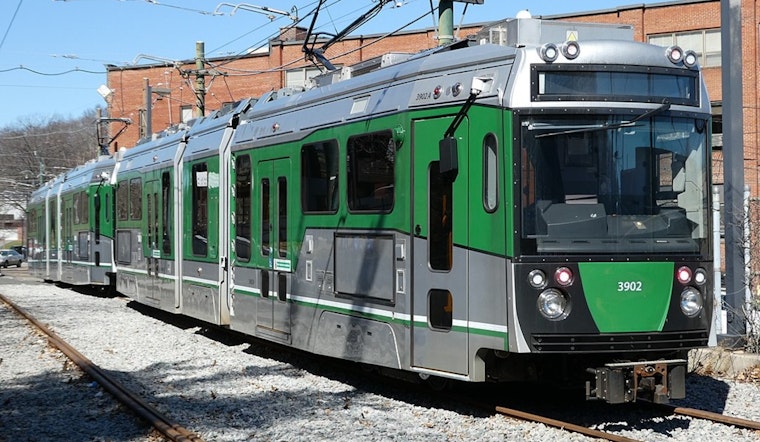
Starting this weekend, Boston's Green Line will see fewer trains running, as the MBTA begins the process of implementing a new safety system. This reduction in service, meant to upgrade safety levels through the Green Line Train Protection System (GLTPS), aims to avert accidents by equipping the line with vehicle and wayside equipment that can prevent collisions and enforce speed restrictions, as NBC Boston reported. The installation of this $113 million project, initially recommended by federal regulators after two significant Green Line crashes 16 years ago, is the heart of the service cutbacks.
For those expecting to ride the Green Line, a drop in train frequency means rescheduling and longer waits could become a part of daily transit. This temporary inconvenience is designed to allow train cars to be briefly removed from service to install the crucial equipment. According to the MBTA, phase one of the GLTPS involves setting up warning systems to alert operators to potential collisions or speed infractions. This phase is expected to be completed by the end of the year, providing audible and visual warnings to prevent accidents, as NBC Boston explained.
Despite these upgrades being positioned as a move forward for public safety and efficiency, the timing coincides with Boston's summer population swell as the heat rises and tourists flood in. Consequently, Green Line riders are confronted with service that sees about 2% fewer trips weekly. "That’s really disappointing," Amy Chou, a local resident, told The Boston Globe. "For a city that says it’s built on public transportation, it does not work half the time."
The move to reduce service comes after an era where transit service was already cut down during the coronavirus pandemic, and recovery to pre-pandemic levels has been sluggish. Service and reliability have increased under T general manager Phil Eng's tenure, yet haven't quite matched past expectations. "I definitely don’t think it’s back to where it used to be, which is sad, because Boston is known for its public transit. So this decision to slash some of the trains, I definitely don’t think is great for quality of life," Sean Keim, a local dancer who frequently uses the line, expressed to The Boston Globe.
As riders grapple with the reality of navigating a trimmed transit schedule, the promise of increased safety from the new system may offer solace once complete. Meanwhile, State lawmakers are in the process of determining funding for the cash-strapped MBTA, confronting a looming budget deficit. With community members like Justin Holtzman, a physician and law student, acknowledging the need for a long-term, financially sustainable plan for the T, the conversation about balancing necessary expenditure widens. "I guess I’m glad I’m not the one making those decisions," Holtzman remarked to The Boston Globe as he reflected on the complexities of funding public transit amidst numerous fiscal demands.





