

























































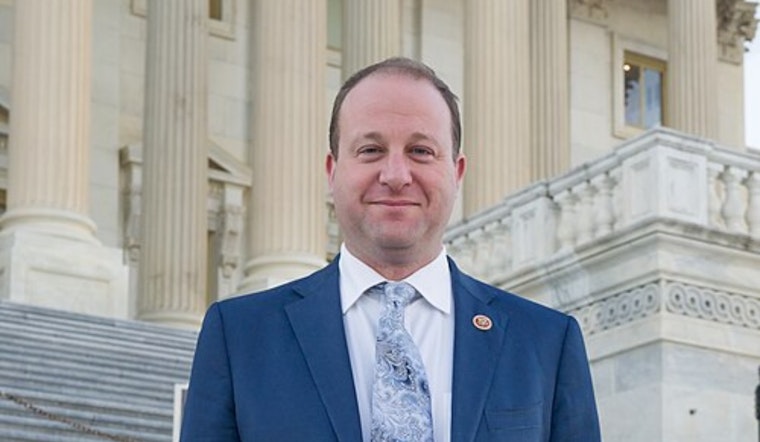
Colorado Governor Jared Polis just signed key pieces of legislation with the aim of bolstering both education and connectivity in the state, marking a significant push to address current challenges and prepare for future opportunities. Among the bills turned into laws, HB25-1186 stands out for its focus on enhancing work-based learning experiences for students, to equip them with the skills necessary for in-demand occupations. An additional measure, HB25-1080, is set to tackle the ongoing issues with cell phone infrastructure, particularly in rural and underserved areas, offering a lifeline to communities in need of reliable communication channels for everything from daily business to emergencies.
Representative Meghan Lukens, a Democrat from Steamboat Springs, saw both of her sponsored bills signed into legislation; HB25-1186, which she says will help integrate more work-based learning in schools, to prep students for "good-paying, in-demand jobs after graduation" and HB25-1080 which is designed to improve cell phone service in rural areas, a move she believes will enhance safety for everyone who lives there. Lukens sponsored both HB25-1186 and HB25-1080 with the conviction that practical learning and reliable connectivity are crucial for the prosperity and security of Coloradans, according to Colorado Senate Democrats.
Senate President Pro Tempore Dafna Michaelson Jenet lent her voice to the discussion, affirming that "Every student takes a different path to success, and work-based learning is a powerful way to help them discover their strengths and prepare for their future," as she explained the intent behind HB25-1186, per Colorado Senate Democrats. The legislation is anticipated to bolster college and university programs with enhanced support for workplace learning opportunities, and stronger data collection is set to refine the state's understanding of the most effective strategies. Michaelson Jenet's optimism about the law's capacity to invest in student futures was echoed in the words of Representative Matt Martinez, who conveyed a message of empowerment for students to explore careers and better prepare for life beyond graduation by investing in work-based learning options.
The impulse to bridge educational theory with practice found legislative camaraderie with Governor Polis's endorsement of HB25-1186, the law now enshrining a pilot program for work-based learning under the Department of Higher Education's purview, the program aim to study the impact of industry-sponsored projects on students' learning outcomes, and HB25-1080 tackles a different sort of terrain, the sometimes wanting wireless landscape of Colorado's rural regions.
The day also saw the ink drying on HB25-1006, a law that offers school districts new avenues for energy sustainability and affordability in housing. The proponents range from legislators across the aisle, including Representatives Lukens and Anthony Hartsook, alongside Senators Chris Kolker and Jeff Bridges. This particular piece of legislation affords school districts the possibility to engage in long-term leases for renewable energy initiatives or housing projects aimed at affordability, signaling ongoing efforts to address communal requirements for sustainability and cost-effective living arrangements.





