

























































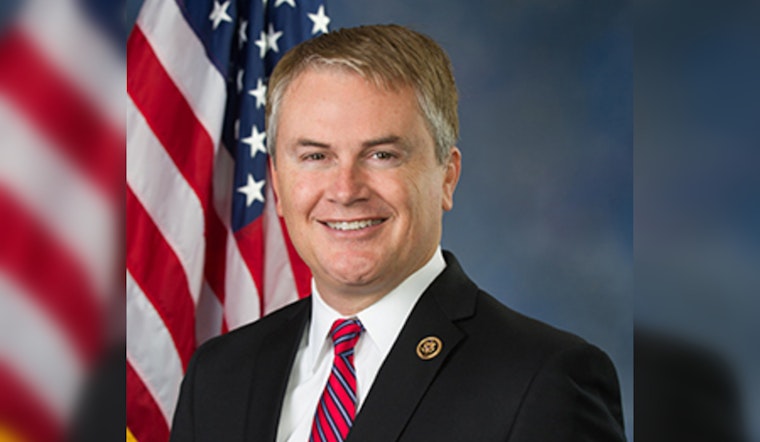
Scrutiny over the Medicare Part D program is intensifying as House Committee on Oversight and Government Reform Chairman James Comer (R-Ky.) spearheads an inquiry into the potential unintended effects of its recent redesign. At the heart of the issue are concerns that Part D plans and Pharmacy Benefit Managers (PBMs) may be restricting access to certain medications. In response to these allegations, Comer has requested a staff-level briefing with the Centers for Medicare & Medicaid Services (CMS) to delve into the agency's measures to safeguard Medicare recipients from being adversely influenced by these developments.
Comer's oversight action was instigated by reports indicating that as a result of the Inflation Reduction Act's changes to Medicare Part D, plans and PBMs are pressuring drug manufacturers to hike rebates, an effect that seems to directly oppose the legislative intent. According to a statement by Chairman Comer, "The Committee on Oversight and Government Reform is conducting oversight of the Medicare Part D Program. The Committee understands that Part D plans and Pharmacy Benefit Managers are limiting access to certain prescription drugs and forcing manufacturers to raise rebates, and therefore prices, to cover the costs of the Inflation Reduction Act (IRA) Part D redesign," as reported by the House Oversight Committee. This illustrates the committee's intent to thoroughly examine CMS's strategy to proactively prevent any abuse under the new program structure.
The redesigned Part D program was designed under the IRA to lessen the federal government's direct spending and encourage drug manufacturers to offer more discounts. The worry is that the policy's implementation is controlling the market in a way that favors prescriptions with greater list prices due to higher rebates, which is counterproductive to the aim of lowering healthcare costs. In examining the issue, Comer emphasizes the importance of reducing the cost of prescription drugs, a priority articulated by former President Donald Trump as essential for all Americans.
Transparency in the system's workings is critical, given that Part D plans and PBMs occupy a crucial intermediary role between beneficiaries and the broader healthcare industry. Nonetheless, as Comer articulated, "it is vital that plans and PBMs are not pushing patients to higher cost medications to pad their own bottom line," as noted by the House Oversight Committee. The committee is set to closely examine what CMS is doing now and planning for the future to protect Medicare Part D from abuse that could raise costs for patients or restrict their access to needed medications.




