

























































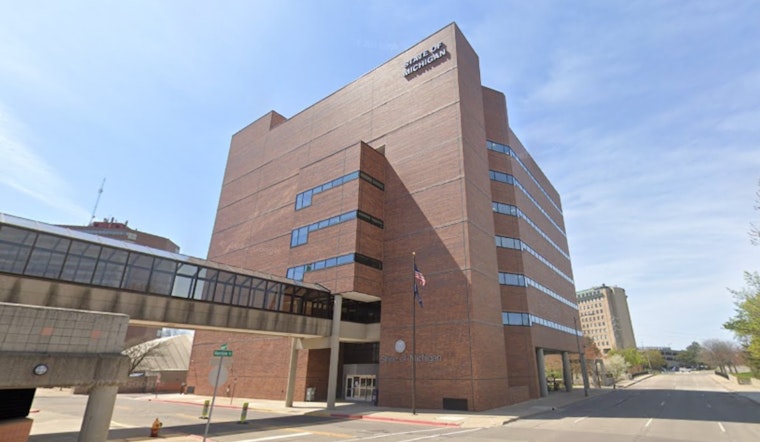
The Michigan Department of Health and Human Services (MDHHS) has issued a warning about the resurgence of carfentanil, a highly potent synthetic opioid. According to an announcement from the MDHHS, carfentanil has been linked to 11 deaths across several Michigan counties since January this year. Due to its potency, approximately 10,000 times stronger than morphine, the drug presents a significant danger, especially as it finds its way alongside other substances like cocaine and fentanyl in the unregulated drug market.
Dr. Natasha Bagdasarian, the chief medical executive, emphasized the lethality of carfentanil, discussing the drug's veterinary origins and its unsuitability for human consumption. "Carfentanil is an extremely potent and deadly drug," Bagdasarian said, as per the Michigan Department of Health and Human Services. This nasal spray can reverse opioid overdoses, potentially saving those ensnared between carfentanil's deadly embrace and the breath of life.
The synthetic opioid has made a worrying reappearance after years of relative absence, following a spate of deaths related to carfentanil in 2016 and 2017. Despite a decrease in associated fatalities in the subsequent years, the uptick in deaths beginning late 2023 suggests a troubling trend. An examination of provisional data by MDHHS indeed notes a reduction in overall overdose deaths from the year prior, but these improvements could be at risk with carfentanil's continued presence.
MDHHS has detailed a series of steps for harm reduction, including the liberal dispensation of free naloxone without prescription and engagement with harm reduction agencies. Quick and informed responses are key for those encountering an opioid overdose, such as administering naloxone and performing rescue breathing if necessary. Causing central nervous system depression, central to its high mortality, carfentanil often requires multiple doses of naloxone to effectively combat its effects, constituting an added layer of complexity in the life-saving process.





