

























































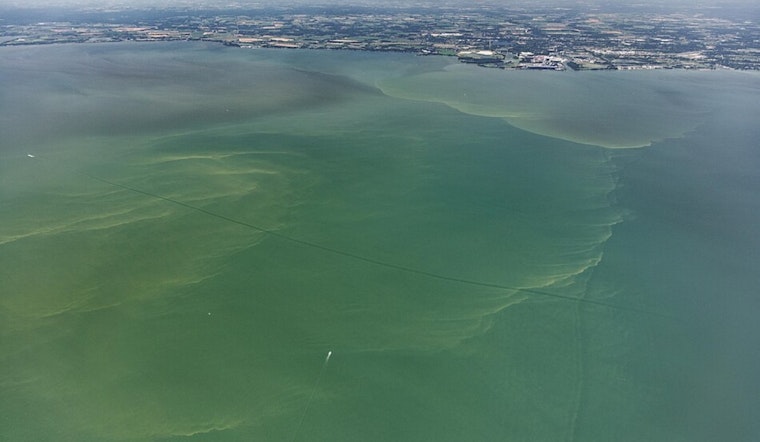
Residents and visitors of the western Lake Erie region can expect a "mild to moderate" harmful algal bloom (HAB) this summer, forecasters at NOAA and their research partners say. According to information gathered by Ohio State University, this year's algal bloom measures a 3 on the HAB severity index, which is based on the bloom’s biomass during its peak 30 days. These forecasts are deemed crucial for local communities planning to mitigate potential health risks and economic impacts.
At an online event hosted by the Stone Laboratory and Ohio Sea Grant at The Ohio State University, experts detailed the bloom's expected size, its capacity for producing toxins, and the impact on the local ecosystem. The severity index suggests blooms ranked 3 to 5 indicate moderate levels of concern, with anything above 5 signaling more significant threats. An index above 7 depicts a particularly dire situation, but this year's bloom is expected to remain within the 2-4 range. Yet, the size of a HAB doesn't necessarily correlate with toxicity, as reminded by the OSU news report.
Cyanobacteria, or blue-green algae, which constitute Lake Erie's blooms, can emit microcystin, a potent liver toxin affecting both humans and wildlife. These HABs have substantial repercussions, potentially compelling municipalities to increase water treatment measures and occasionally shut down public access to water bodies. The economic toll on the Lake Erie region is nothing to scoff at either, with estimates exceeding $70 million due to inhibited fishing, swimming, and tourism activities.
"Harmful algal bloom forecasts are critically important for communities around Lake Erie to plan and prepare, and are a key part of NOAA’s scientific service to the nation," Nicole LeBoeuf, director of NOAA’s National Ocean Service, told the Ohio State University newsroom. These environmental outlooks are designed to safeguard public health and support the Great Lakes as they continue to bolster regional economic growth. NOAA's Lake Erie HAB Forecast website will provide ongoing updates, predictions, and visualizations throughout the season.
Data underpinning the monitoring and predictive models come from a partnership spanning several NOAA offices and Ohio institutions, including Ohio Sea Grant, The University of Toledo, and the Ohio Environmental Protection Agency. While the bloom's visibility is anticipated to begin by early July, its duration is contingent on weather conditions, particularly wind frequency in September, which remains unpredictable. Expected to stay primarily in the western basin, the central basin should evade significant effects until later in the season barring occasional localized blooms.
NOAA plans to issue an updated seasonal forecast in late July, taking into account nutrient loads from the Maumee River watershed. In addition, throughout the bloom season, NOAA will offer HAB forecasts detailing the bloom's current scope. They will also provide five-day outlooks, essential tools that local authorities can lean on to make informed decisions regarding the management of the blooms, as described in the OSU news release.





.jpg)