

























































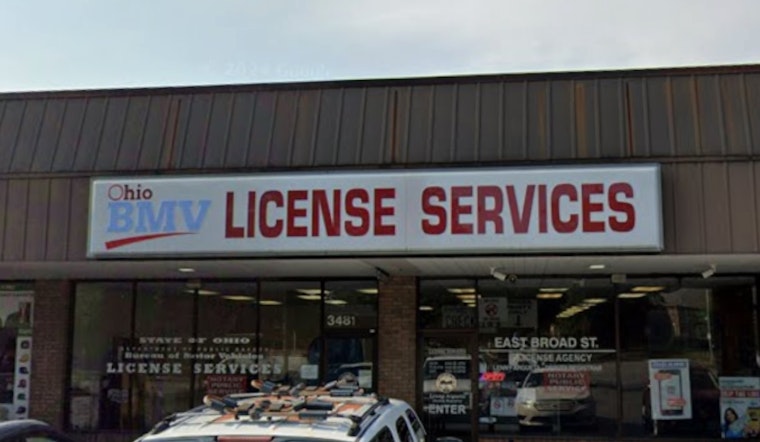
Ohioans, consider yourselves warned: a new text message scam is masquerading as the Ohio Bureau of Motor Vehicles (BMV), drilling into inboxes with false claims of unpaid traffic tickets and threats of dire consequences for those who don't pay up. As reported by Cleveland19, these phony messages include demands for immediate payment to avoid license suspension—a tactic to spook recipients into surrendering their personal and financial information to the scam artists behind the scheme.
The Ohio BMV has taken a clear stance, with Registrar Charlie Norman advising the public, "If you receive this text, do not fall for this scam," a sentiment echoed across multiple reports. In the words of Norman, shared by WBNS, "Do not click any links and delete the text. Ohio BMV will never send you a text demanding payment or requesting your personal information." The ruse itself is textbook phishing, designed to hook the unwary with threats and urgency.
These scam texts take on a sense of urgency, warning their recipients that "enforcement penalties begin on June 10" and threatening additional consequences, including a 35% service fee and potential damage to credit scores, as detailed by a scam message example obtained by Times Now News. They even push the charade so far as to include a link that mimics the look of official Ohio BMV communications, preying on those who might not recognize the signs of a scam.
For anyone who's accidentally taken the bait, immediate action is recommended. Norman suggests contacting your local police department without delay if you've shared any sensitive information. And for the rest of us simply receiving these messages, the advice is to label it as spam, delete it, and stand guard. Ohioans can also do their part by reporting scam attempts directly to the Federal Trade Commission at reportfraud.ftc.gov, as a civic duty to help root out these cyber threats.





