

























































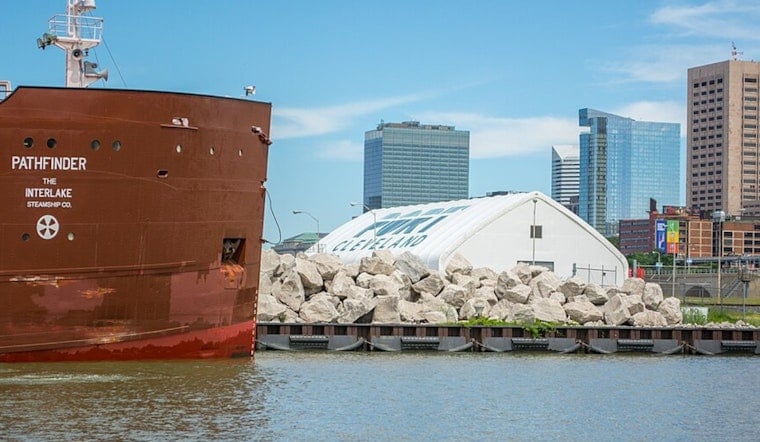
The Port of Cleveland has signed off on a new Economic Growth Fund that it hopes will kick redevelopment across Northeast Ohio into higher gear by supplying flexible capital for projects that traditional lenders often cannot finance. Port officials are pitching it as a way to move shovel‑ready deals more quickly and to back projects that promise long‑term jobs, from manufacturing and mixed‑income housing to waterfront work. The fund will sit alongside the Port’s existing bond program and is meant to help local communities compete more aggressively for employers and private investment.
The Port’s board approved the fund on July 9, 2026, and will start by seeding it with $3 million from the Port’s own balance sheet, with a goal of building it up to $10 million. Port officials estimate that once fully capitalized, the fund could support roughly $30 million to $50 million in financing capacity. The Economic Growth Fund is structured as a revolving pool, so money that is repaid can be recycled into future deals, and it is specifically designed to take on credits that do not fit into the Port’s traditional investment‑grade bond program. Eligible uses identified by the Port include business attraction, manufacturing expansion, site readiness, housing, public infrastructure, and waterfront revitalization, according to the Port of Cleveland.
"At the Port, we're focused on helping move projects forward before opportunities pass us by," said Jeff Epstein, the Port's president and CEO, who added that the fund will give communities the tools to win more opportunities, create more jobs, and grow our economy, as per the Port of Cleveland. Epstein emphasized that the new pool is meant as a proactive regional tool to close financing gaps, not a replacement for banks or other traditional lenders.
Factory Rehab And Jobs: The Wellman‑Seaver‑Morgan Example
One project that shows why the Port wants this kind of flexible capital sits at 7000 Central Avenue, where the long‑vacant Wellman‑Seaver‑Morgan factory is slated for a second life with modular‑housing manufacturer MMY US. The redevelopment, backed by $2.56 million in Ohio historic tax credits and an estimated $26 million renovation budget, is expected to create about 150 jobs and turn a hulking, idle industrial building into a working employer again, according to Ideastream Public Media.
How The Fund Ties Into The MidLine Push
The Economic Growth Fund lands just as the MidLine initiative, a 350‑acre industrial redevelopment and greenway on Cleveland’s near‑east side, ramps up efforts to assemble, clean up and reposition brownfields for jobs and local industry. Backed by the Site Readiness for Good Jobs Fund and a mix of public, private and philanthropic partners, the MidLine vision calls for more than 1.5 million square feet of new commercial space along with new parks and trails that reconnect neighborhoods to employment centers and the lakefront, according to The Midline.
How It Will Work And What Comes Next
Port staff say they will lock in the structure of the Economic Growth Fund through a supplemental bond indenture and will coordinate with bond counsel, financial advisers and rating agencies before any projects receive financing. Every transaction will still go through the Port’s underwriting and Board approval process. At the same meeting where the fund was approved, the Board also signed off on financing for three developments - Gateway 66, Circle Square East Stokes Block and Project Scarlet - which together represent more than $200 million in investment and show how the Port intends to pair its traditional bond tools with the new growth fund to support both neighborhood and downtown redevelopment, according to Port of Cleveland.
For city officials and economic‑development groups, the fund adds another option for closing stubborn financing gaps on deals that bring stable jobs and housing closer to where residents live. Port leaders say they plan to recruit financial institutions, philanthropies and other mission‑driven investors to grow the fund so that capital can be repaid, recycled and put back to work in the next wave of projects.





