

























































As the soaring temperatures in Wake County prompt concerns over public health and safety, the local government is taking steps to offer residents relief by opening cooling stations with a heat index climbing above 100 degrees, indicating the arrival of oppressive summer conditions even before the official start of the season. According to a news release by Wake County, the stations are set to open on June 17 and will be available at least until Wednesday, with extensions dependent on ongoing weather predictions.
With the risk of heat-related health incidents on the horizon, Wake County officials are extending a lifeline to those who might find the rising mercury more than just uncomfortable but potentially dangerous, "During bouts of extreme high temperatures, heat related deaths and illnesses are possible, but with the right precautions, they are preventable," Autumn Miller, Outreach, Training and Exercise Manager with Wake County Emergency Management, emphasized the availability of these cooling stations as a vital resource for residents needing to escape the sweltering temperatures.
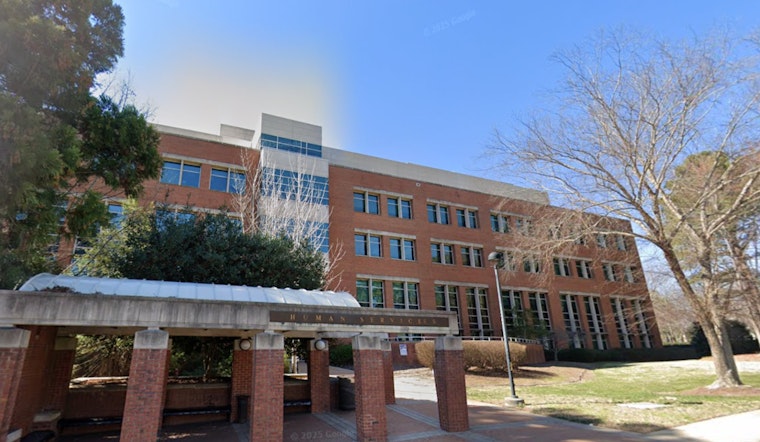
The list of cooling station locations includes several Wake County Public Libraries, whose closing times vary, alongside Regional Centers and Health and Human Services Centers, which will be open from 8:30 a.m. to 5:15 p.m. on Tuesday and Wednesday, notable spots like the Wake County Health & Human Services on Swinburne Street, and the Eastern Regional Center in Zebulon among others. It's important to note these facilities that usually operate as cooling stations will be closed on Thursday in observance of the Juneteenth holiday, during which heat levels are also expected to be dangerously high, residents are urged to seek other public air-conditioned spaces during this period.
Vulnerable groups, especially adults over 65, young children, and those with existing health conditions, along with individuals lacking air-conditioning access, are at heightened risk during such extreme heat events; Wake County's response is a call to communal action, suggesting residents drink plenty of water, stay out of the sun, and look out for neighbors who might be especially susceptible to the heat's unforgiving embrace. In addition, they advocate staying in air-conditioned spaces, donning light and loose clothing, recognizing symptoms of heat-related illnesses, engaging in strenuous work in only the cooler parts of the day, and to apply a buddy system when working in the heat and never leave children or pets in vehicles, these tips provided serve as a manual for surviving the scorching days ahead.





