

























































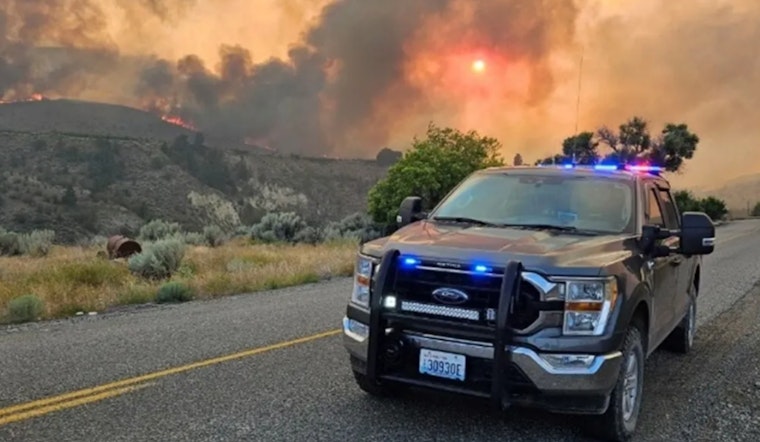
As July approaches and brings with it the dry heat of Eastern Washington, the Washington Department of Fish and Wildlife (WDFW) is clamping down on activities that heighten wildfire risks. Starting July 1, new restrictions on campfires, target shooting, and more are kicking in on WDFW-managed lands. According to a press release, Kevin Connally, the WDFW’s Lands Division Manager, emphasized the importance of preventing wildfires amid a forecast that predicts increased statewide risks this year, saying, “This year’s forecast shows an increased risk of wildfires statewide, so it’s incredibly important to recreate responsibly and prevent possible wildfires while visiting public lands this summer.”
Outdoor recreation restrictions are tightening: all campfires are now banned, even in designated fire rings, though propane or liquid petroleum stoves and lanterns are still allowed. Target shooting is prohibited except at Methow and Asotin Creek shooting ranges, and only from sunrise to 10 a.m. through August 15. From August 16 to September 15, those ranges will also be closed to target shooting. Lawful hunting is still permitted, according to a statement obtained by WDFW. While enjoying the outdoors, leave cigarettes in the car and avoid welding or using chainsaws. To protect fragile ecosystems, always park on pavement or in designated dirt areas.
The latest regulations are strict and detailed, aiming to protect both people and the environment. Driving off developed roads is now restricted to prevent damage to local vegetation, and parking is only allowed in designated or non-damaging areas. On WDFW lands—including around Esmeralda Peak—lit cigarettes, fireworks, and welding are banned year-round to reduce fire risk.
For more details on fire prevention and the full scope of current restrictions, visit the WDFW wildfire information page, as well as resources from the Washington Department of Natural Resources and the U.S. Forest Service.





