

























































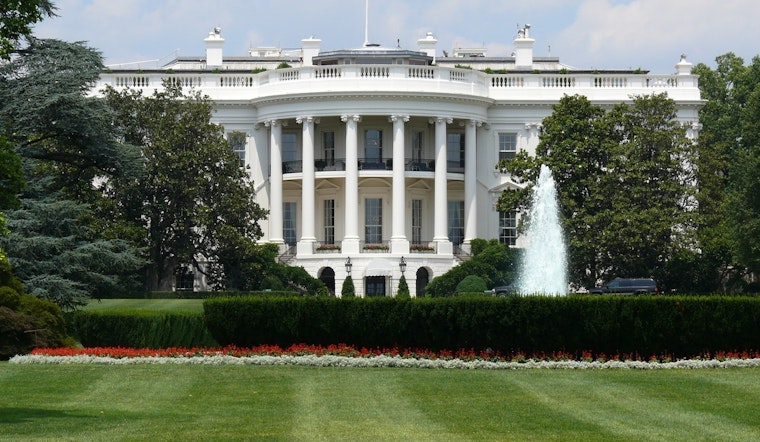
Eighty years ago, on the Japanese island of Okinawa, the United States military engaged in what has become known as one of the bloodiest encounters of World War II. The White House recently issued a statement honoring the 80th anniversary of the Battle of Okinawa, where American forces faced intense opposition from entrenched Japanese soldiers in a conflict that lasted nearly three months and ended with over 12,000 American lives lost.
The engagement, commencing on April 1, 1945, was expected to be a significant, yet straightforward campaign to secure Okinawa as a strategic airbase for the Allies. However, American troops encountered fierce resistance in the form of kamikaze attacks and well-fortified enemy positions. These circumstances stretched the battle into weeks of relentless combat, according to a presidential message published yesterday by the White House.
The statement details how more than 180,000 US service members participated in the operation, facing horrors beyond imagination. Their perseverance resulted in Allied victory on June 22, 1945, with a victory that would prove to be a decisive step towards Japan's unconditional surrender a few months later on September 2. This costly battle reinforced the resolve of the Allies and highlighted the extreme measures Japan was prepared to take in defense of its sovereignty.
Looking back, this pivotal moment in history is now a cornerstone of the current alliance between the United States and Japan, symbolized by the Cornerstone of Peace monument in southern Okinawa. "Every American warrior who withstood unbearable carnage to bring the Allied forces to victory over the forces of imperialism," as stated in the White House statement, "are a tribute to the selflessness and stalwart bravery of their generation—the Greatest Generation." As the world reflects on this momentous anniversary, the United States continues to pay homage to those who fought, suffered, and died in the quest for freedom and human dignity.




