

























































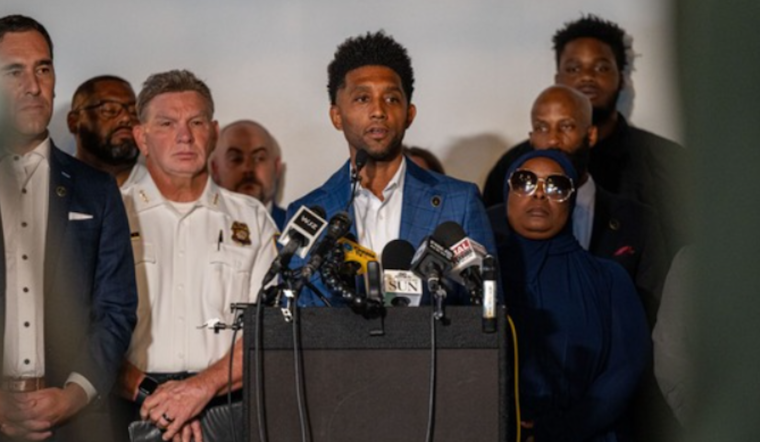
To further curb violence in the city, Baltimore's Mayor Brandon M. Scott has declared the expansion of the Group Violence Reduction Strategy (GVRS) to the city's Southern District. This move, officially commencing in late June 2025, marks a new chapter for neighborhoods such as Brooklyn, Curtis Bay, and Cherry Hill, communities that Mayor Scott affirms will benefit from new resources and support. According to a press release from the City of Baltimore Mayor's Office, this strategy intertwines with investments in infrastructure, such as new parks and schools. It aims to position Baltimore on a trajectory toward becoming a safer and healthier city.
The initiative first launched in the Western District in January 2022 and has since been expanded to cover a broad swathe of the city, with the Southern District being the latest addition. Police Commissioner Richard Worley states that by combining focused enforcement with substantial community and service partnerships, the strategy aims not only to disrupt violent networks but also to foster long-term transformation in the neighborhoods. Mayor Scott emphasized the remarkable public safety progress across the city due to GVRS, highlighting a significant decrease in homicides and non-fatal shootings attributed to this strategy.
Baltimore's Group Violence Reduction Strategy has been pivotal in addressing the city's entrenched issues with gun violence. As detailed in the Mayor's Office release, GVRS has been instrumental in driving a 24.3% decrease in homicides and an 18.4% drop in non-fatal shootings compared to the previous year. This translates into the lowest number of homicides in over five decades for the period running through June. Senators and Congress members have echoed this sentiment, acknowledging the strategy's role in improving public safety, with the hope that continued expansion will maintain this downward trend in crime rates.
MONSE (Mayor's Office of Neighborhood Safety and Engagement), under the directorship of Stefanie Mavronis, oversees the day-to-day management of GVRS. Their efforts, combined with those of local life coaches and service providers such as Youth Advocate Programs (YAP) and Roca, have yielded impressive outcomes; a majority of program participants have neither returned to criminal activity nor been re-victimized. Council members across the board have praised the initiative's impact, highlighting the council’s collective commitment to not just save lives but also build more resilient communities through opportunity and support.





