

























































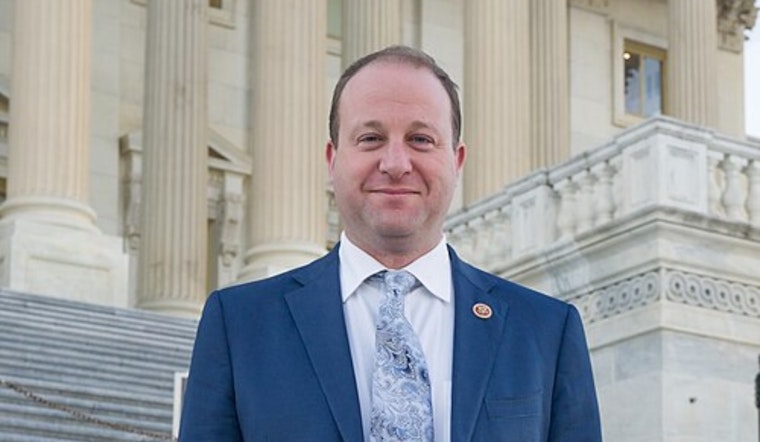
Colorado Governor Jared Polis has publicly criticized the new Executive Order on tariffs issued by President Trump, stating that the additional 25% tariffs set to impact every day goods for American consumers could have detrimental effects, particularly on Colorado's economy. As reported by the Colorado Governor's Office, Polis articulated his concern about the economic relationship with allies such as Japan, a significant trade partner, emphasizing that these tariffs are likely to "raise costs on Americans and hurt small businesses."
The Office of State Planning and Budget (OSPB) economic forecast in June echoed the Governor's sentiments, foreseeing that the tariff taxes could harm economic growth and potentially trigger a recession. Moreover, additional reports claimed that the increased tariffs have spurred a rise in trade crime. While Trump's approach aims to strengthen domestic industries, the fallout prompts a narrative where allies and the stability of international markets are compromised for a domestic agenda clouded by protectionist policies.
Celebrating trade relations earlier this year, Gov. Polis honored the state’s connections with Mexico and Canada through Colorado-Mexico Friendship Day and Colorado-Canada Friendship Day. These events underscore the significance of trade between Colorado and its North American partners, a bond that has become vulnerable under the current trade framework passed down by President Trump's administration.
According to the Governor's statement, Colorado is a major player in the beef export market, ranking 5th in the United States. With beef as a cornerstone of the state's agriculture sector, the tariffs, which have been erratic in their application, pose a direct threat to this critical export commodity. Specifically, the U.S. exported a staggering $10.45 billion in beef and beef products in 2024, with Mexico, Canada, South Korea, China, and Japan amongst the top recipients. All these countries are contending with the new trade tariffs, which reflects a policy that not only strains Colorado’s agricultural industry, but also the livelihoods dependent on robust export markets like dairy, wheat, and corn.





