

























































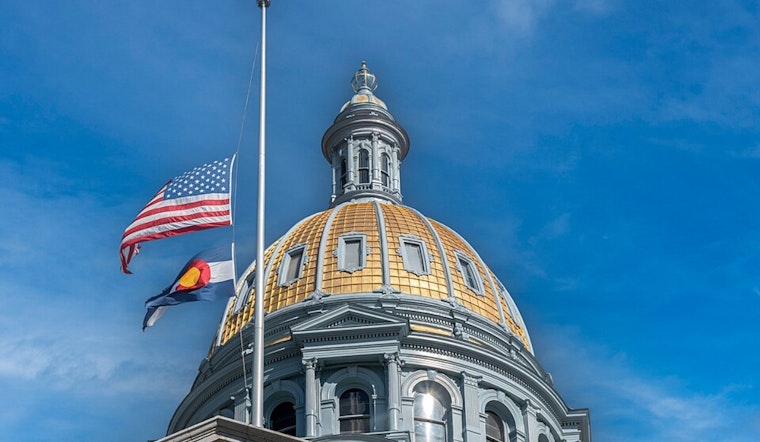
Colorado is setting a precedent once again in the nation's ongoing voting rights saga. The state's latest measure to ensure inclusive and accessible voting for all its residents, the 2025 Colorado Voting Rights Act, is slated to take effect on August 6. According to Colorado House Democrats, the act reinforces the state's commitment to safeguarding the fundamental democratic process against burgeoning threats.
"The right to vote is under attack by a federal administration testing the limits of its power," Senator Julie Gonzales conveyed. Her sentiment echoes through the bill, underscoring the pivotal role of voting in the American experiment. Representative Junie Joseph told Colorado House Democrats, "I am proud to sponsor our own Colorado Voting Rights Act to expand on the foundation laid in 1965 and ensure that all Coloradans—especially those in historically marginalized communities—can access the ballot box freely and fairly." The sense of urgency is palpable, with the federal protections seemingly hanging in the balance.
The new law constitutes a robust defense against potential rollbacks at the federal level, empowering the Attorney General to uphold voting rights actively. It secures the voting rights of diverse groups, including LGBTQ+ individuals and those with disabilities, aiming to foster an environment where every eligible voter has an equitable shot at casting their ballot. A key provision mandates the presence of nonpartisan voter information in residential facilities for the disabled, broadening the scope of informed participation.
Amidst the backdrop of a contentious national conversation around voting integrity and access, the act also features a statewide database designed to collate election information without compromising personal voter data. It's worth noting that the statute also gives municipalities a deadline until January 2027 to increase the availability of multilingual ballots in select local elections, recognizing the diverse linguistic fabric of the state's populace.





