

























































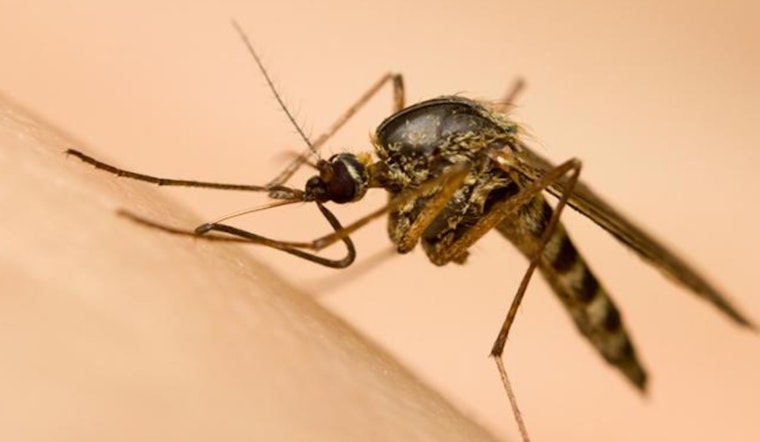
The Macomb County Health Department has sounded the alarm on the first detection of West Nile Virus (WNV) in mosquitoes this year. While human cases have yet to rear their ugly head in Michigan, it's clear the pesky bloodsuckers are up to their old tricks, spreading more than just irritation with those bites.
According to Macomb County, the county's health experts have been keeping a watchful eye on our insect adversaries. "This discovery by our surveillance team is important because it lets us know that this season's mosquitoes are now carrying the virus – which could spread to humans," noted Andrew Cox, director/health officer of Macomb County Health and Community Services. The good news? Taking a few precautions, like slathering on the insect repellent, wearing long sleeves during peak mosquito hours, and avoiding standing water like it's a bad potluck dish, can go a long way.
For those who treasure their summer skin free from welts, the Centers for Disease Control and Prevention recommends protections like DEET or picaridin-based repellents. For a touch of the au naturel, oil of lemon eucalyptus may also fend off the hungry hoards. Don't forget to armor up with the right clothes if you're planning a moonlit serenade – mosquitoes are most active from dusk to dawn, and would love nothing more than to make a meal out of night owls. If you've got a green thumb, keep an eye on those flowerpots, barrels, and other impromptu mosquito nurseries.
WNV is no stranger to Macomb County, being somewhat of a perennial guest among the local mosquito populations. However, that doesn't mean it's welcome at the summer's festivities. While many who contract the virus might not even notice, others can face serious symptoms like fever, aches, or, in some cases, more severe diseases such as encephalitis or meningitis. The most vulnerable? "Those at greatest risk to develop a severe illness include people 50 years and older, those with certain medical conditions, such as diabetes, cancer, kidney disease, hypertension, and people who have received an organ transplant," as Macomb County warns.





