

























































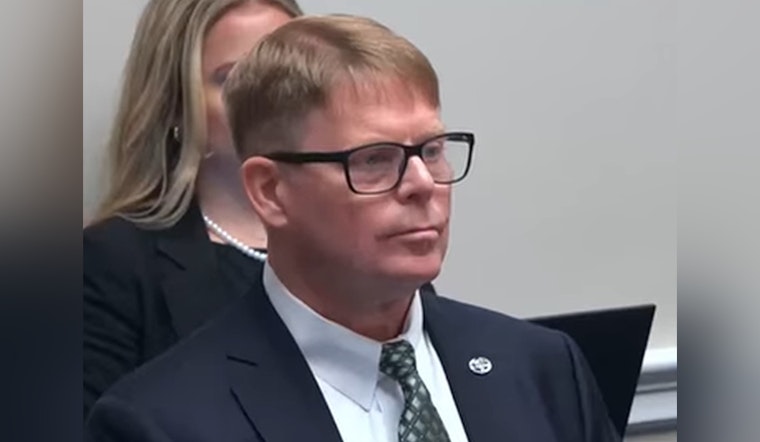
With government contracting processes under scrutiny, Texas Representative Pete Sessions chairs a new subcommittee hearing aimed at reforming bid protest procedures. According to the House Oversight Committee, an announcement made by Sessions, the hearing titled "Bid Protest Reform: Understanding the Problem" will investigate the exploitation of supposed loopholes by contractors who file what are described as frivolous protests, creating higher costs and project delays. The hearing, a response to criticisms of the Clinton-era federal acquisition policies, suggests a movement towards a more transparent and competitive system of government contracting.
An overarching goal is alignment with Trump Administration's reform efforts, though evidence to quantify the extent of the abuse is seemingly lacking, and that, along with the encouragement of competition and improving transparency, will be at the heart of the Subcommittee on Government Operations' coming discussions, these reforms are not without their detractors and the Subcommittee's undertaking is significant, considering the complex nature of federal acquisitions and the heavily criticized status quo.
According to House Oversight Committee, the hearing aims to address the system's vulnerabilities where, as Sessions points out, contractors may use the process not to ensure fairness but to strategically delay outcomes. "The bid protest process was designed to ensure that federal procurement is fair, competitive, and accountable to the American people. Unfortunately, what we are seeing today is a system being abused, resulting in higher costs and delayed projects that don’t benefit taxpayers," Sessions stated. He emphasized the need for modifications that counteract manipulative behaviors, support fair competition, and uphold system transparency.





