

























































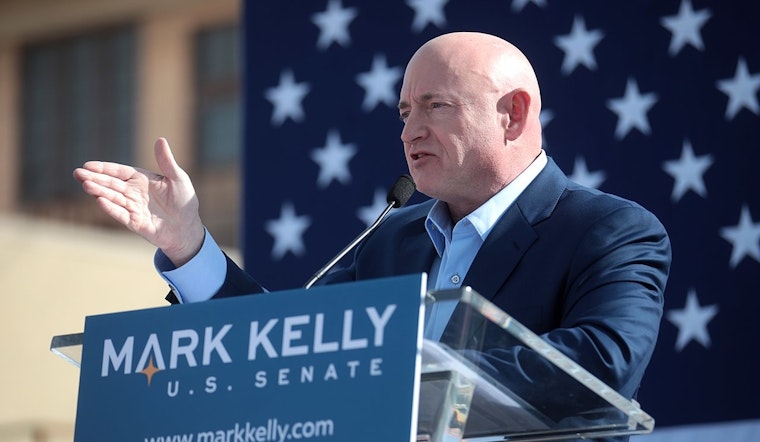
Senators Mark Kelly (D-AZ) and Mike Rounds (R-SD) are addressing the pressing issue of veteran employment with their new bipartisan bill, the Medic Education and Deployment into Civilian (MEDIC) Careers Act of 2025. This legislation aims to help military medics shift gears and make use of their skills in the civilian health care industry with less hassle, and couldn't come at a more crucial time—as the nation braces for a predicted shortfall of 275,000 nurses by 2030. Obtained by Kelly's Senate website, the bill's provisions include evaluating transition programs for military health care personnel and updating Department of Defense grants for hiring and training.
While there are more than 173,000 health care personnel serving in the U.S. Armed Forces, they often face hurdles when trying to transfer their military expertise to civilian care due to a lack of standardized credentialing. In a statement released by Kelly's Senate website, Kelly highlighted the absurdity of the situation: "The health care workforce is stretched thin while many highly trained military medics are underutilized once they leave service because of red tape." A sentiment indicating that tackling bureaucratic hurdles could potentially unlock a wellspring of well-qualified health professionals.
Recognizing the opportunity to alleviate some of these challenges, Kandi Tillman, Co-Founder of 50strong, praised the MEDIC Careers Act, as noted in Kelly's Senate website. Tillman stated, "The ‘Medic Education and Deployment into Civilian Careers Act of 2025’ presents a timely opportunity to review barriers that may exist in today’s workforce and to provide a pilot mechanism to explore smart solutions." The bill not only facilitates the transition for veterans but also underlines a worthwhile investment in the quality of care for underserved and rural communities.
Bringing this vision closer to home, Arizona-based HonorHealth has already demonstrated a successful model. Without having to repeat their studies, more than 1,700 medics have undergone training through HonorHealth’s Military Partnership program, as reported by Kelly's Senate website. Michelle Pabis, Vice President Government & Community Affairs at HonorHealth, touted the far-reaching benefits of supporting veterans with their transition: "By recognizing and integrating the skills of our service members, we not only strengthen our healthcare system but honor their service with meaningful career opportunities."
The MEDIC Careers Act promises a multipronged approach by aligning civilian credentialing with military medic training and exploring the effectiveness of present transition initiatives. According to the proposed legislation, it will also delve into the impact on states that are working to match military training with civilian health care licenses. For veterans facing the red tape, the MEDIC Careers Act could be a beacon of hope, neatly aligning their sacrifices and skills with the needs of America's health care system. Further details of the bill can be read here.





.jpg)