

























































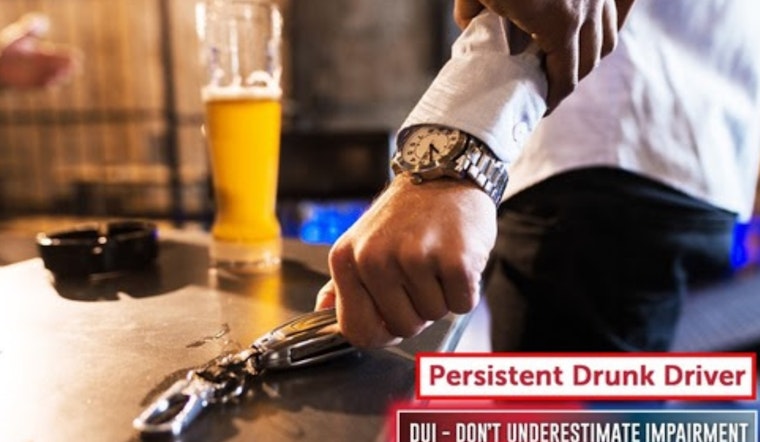
With the roll-out of Colorado's latest campaign against impaired driving, the "Don't Underestimate Impairment" initiative, the focus is shifting towards the recurring issue of persistent drunk drivers in the state. The Colorado State Patrol is soberingly aware of the statistics: last year saw 16,216 DUI cases filed, a figure that's hard to reconcile with the availability of rideshares and public transportation. "Nationally, close to one-third of all drivers arrested for DUI have had at least one previous conviction," said Col. Matthew C. Packard, as per Colorado State Patrol, signaling a need for harsher deterrents.
The Colorado legislature has responded by creating a new category for recidivists: the Persistent Drunk Driver (PDD). This is not just a title – it's a new reality for anyone caught with multiple DUI convictions, refusing a DUI chemical test post-arrest, driving with a blood alcohol content of 0.15% or higher, or anyone brazen enough to drive on a suspended license due to DUI. "It's hard to imagine that someone would make such an irresponsible choice twice, but it happens daily," Col. Packard told Colorado State Patrol. The penalties reflect the gravity of the threat these drivers pose to the community.
The ramifications for someone labeled a PDD are severe: mandatory installation of an Ignition Interlock Device and SR-22 insurance to prove financial responsibility, both for no less than two years. Furthermore, the court demands completion of a robust alcohol abuse treatment and education program that spans 24 hours in classes and therapy for up to 86 hours. For those refusing chemical testing, the highest bracket of therapy is compulsory.





