

























































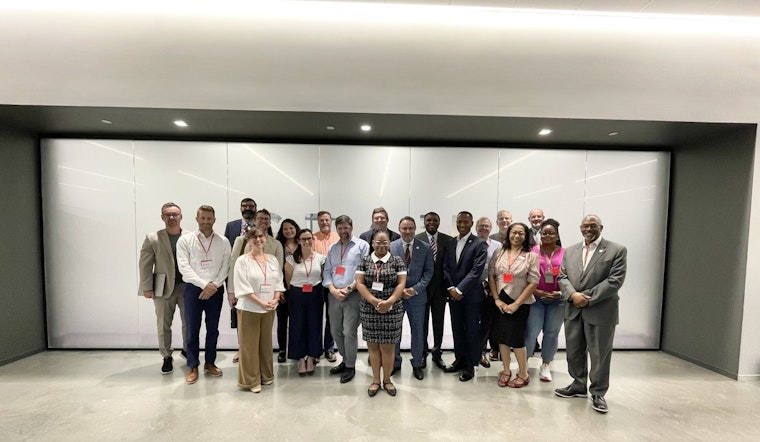
In a synergistic meeting melding the spheres of academia, biotechnology, and economic growth, GRAIL's Research Triangle Park (RTP) campus was the gathering ground for a bevy of institutional power players last Wednesday. Hosted jointly by Durham County Economic Development and GRAIL, the meeting aimed to cultivate relationships between the cancer-detection company and Durham’s higher education landscape. Duke University, Durham Technical Community College, and North Carolina Central University were among the many institutions who sat at the table, ready to discuss workforce development and collaborative opportunities.
Having GRAIL set up shop in Durham is no small feat, a testament to the concerted efforts by local agencies like the Durham County Government and the Greater Durham Chamber of Commerce. Following up on the meeting, the Durham County Government announced on its social media, "In attendance were representatives from GRAIL RTP leadership, Durham County Economic Development, Duke University, Durham Technical Community College, North Carolina Central University, the Greater Durham Chamber of Commerce, North Carolina Biotechnology Center, and the RTP Foundation." This diverse gathering heralds a milestone for both GRAIL and the county's economic landscape.
The core of the discussion, as detailed in an adjacent social media post, revolved around familiarizing GRAIL with the region's academic powerhouses and identifying how these institutions could mesh with the company's growing needs. With GRAIL's mission to revolutionize early cancer detection through their blood test technology, the RTP site's expanded diagnostic testing capabilities take on heightened significance.
GRAIL, originally enticed to the area by the combined initiatives of Durham County and partners like the Economic Development Partnership of North Carolina, overlays a niche in the local economy with its advanced laboratories and processing units dedicated to oncology testing. The meeting served dual purposes; according to Durham County Government's social media, it allowed schools to "share programming, research, and partnership opportunities," while also opening dialogue on workforce development ideas and needs from GRAIL’s perspective—ensuring that their integration into Durham’s economic fabric will be a seamless one.





