

























































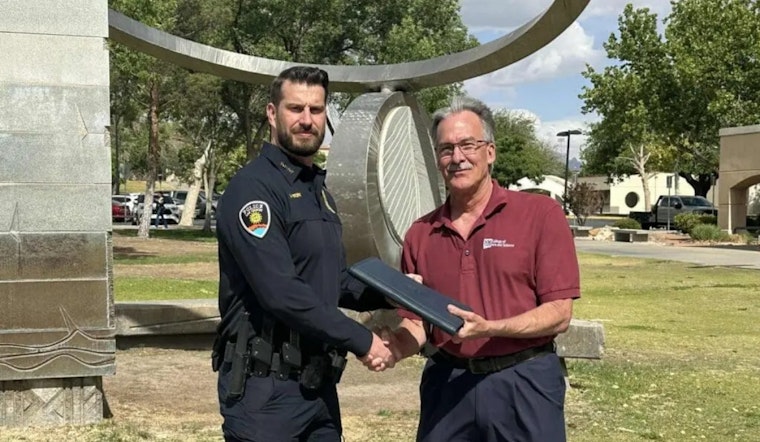
In what can be lauded as a strategic cross-institutional initiative, the Las Cruces Police Department (LCPD) has inked a memorandum of understanding with New Mexico State University's (NMSU) Criminal Justice Program. This agreement carves out a pathway for criminal justice students to receive academic credits while obtaining firsthand experience in law enforcement through the LCPD’s academy. According to the City of Las Cruces, this novel approach to education and training could set a new precedent for how academic institutions and police departments collaborate.
There's an air of optimism around this partnership for what it offers to the students involved. "This is just a phenomenal opportunity for our students to gain experiential learning as part of their degree in the Department of Criminal Justice," stated Dr. Dennis Giever, Academic Department Head, as obtained by the City of Las Cruces. The LCPD Chief, Jeremy Story, echoed these sentiments as he spoke of the mutual benefits, indicating that "this really is a win-win situation for criminal justice students interested in pursuing a career in law enforcement."
Under the memorandum's terms, students engaged in NMSU’s Bachelor of Criminal Justice program will get the opportunity to be employed at LCPD’s academy, receiving up to 15 hours of academic credit, alongside a $24 hourly wage during their training. Moreover, academy graduates, whose starting annual salaries are estimated at around $54,000, can also look forward to hiring incentives amounting to up to $25,000, granted they hold a bachelor’s degree in related fields such as criminal justice, criminology, sociology, or psychology.
However, this opportunity does come with its prerequisites; candidates are required to clear a comprehensive background check along with other testing procedures before they can join the academy. "After successfully completing NMSU degree requirements and LCPD’s academy training program, including field training, students will be employed as patrol officers," the City of Las Cruces detailed. There's also the advantage for participating students to continue their education towards a bachelor’s degree while serving as commissioned officers.





