

























































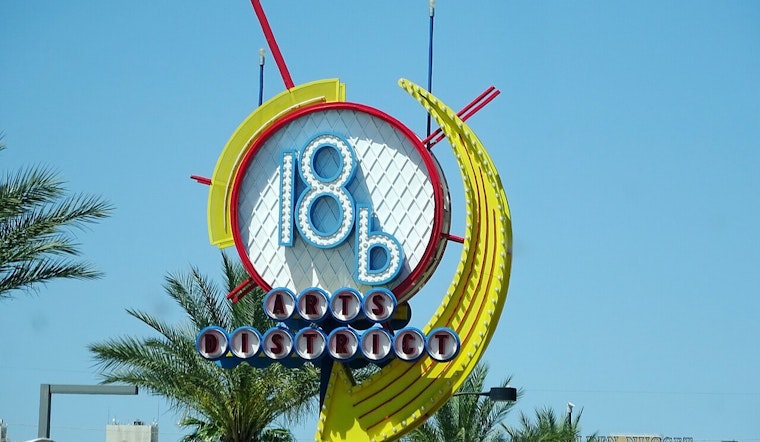
The battle over noise in the Las Vegas Arts District has reached a crescendo with the city declaring there will be no changes to the current noise ordinance. This decision came following a public input period where residents and businesses made their voices heard. According to 8 News Now, the ordinance currently allows outdoor noise from venues until 10 p.m. Sunday through Wednesday, midnight on Thursdays and 2 a.m. on Fridays and Saturdays. The proposed amendment would have changed the cutoff time to 11 p.m. every night.
In seeking community feedback, the Las Vegas City Council collected inputs via email and online surveys up to the July 31 deadline. Councilwoman Olivia Diaz remarked, "Based on the feedback we’ve received, the city of Las Vegas is not pursuing a change to the noise ordinance of the 18b Las Vegas Arts District." She added, as quoted by KTNV, "The Arts District is an authentic, home-grown area that we want to ensure remains vibrant and energized for years to come."
The existing ordinance does not affect civic functions and permitted special events, including the popular First Friday, allowing these occasions to operate under separate rules. Indoor noise from businesses is unrestricted by the ordinance, providing a possible alternative for venues outside of the designated outdoor noise times.
Throughout the discussion, there were differing opinions between various stakeholders. Some business leaders argued that restricting noise levels could damage the district's identity and economy. Others, like those in favor of the nearby luxury condo complex being constructed by Midtown Las Vegas, supported quieter nights. A statement by the complex suggested, "...Neighborhoods evolve. As more people choose to live here, the City has a responsibility to update infrastructure, safety protocols, and ordinances to reflect new patterns of use," as mentioned on KTNV.




.jpg)