

























































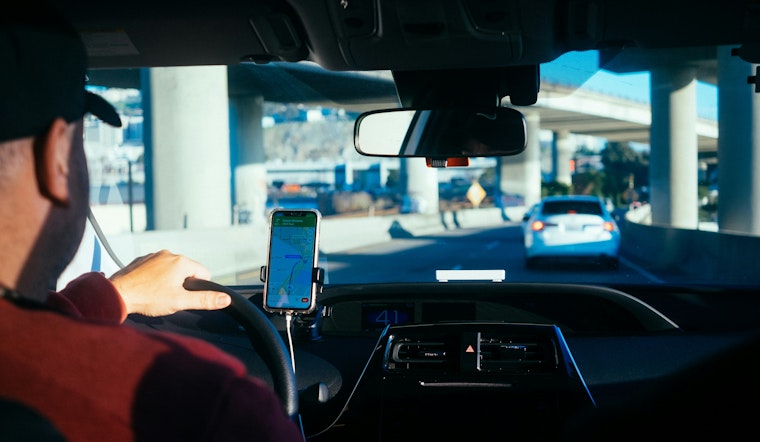
Las Vegas rideshare drivers are abandoning their vehicles in droves as a perfect storm of soaring operational costs and declining tourist activity transforms what was once a lucrative gig into a financial nightmare. The situation has created significant transportation challenges across the valley, leaving both locals and visitors scrambling for reliable rides.
According to KSNV News 3, with gas pumps approaching $5.00 per gallon, many drivers found themselves working longer hours just to break even, or worse, quitting the gig entirely. The financial strain has been particularly acute for drivers who depend on rideshare income as their primary source of earnings.
"I'm going BROKE because of these gas prices! I depend on Uber," one frustrated driver told KSNV. Another shared that despite minimal cashback incentives from Uber's fuel program, they would "need to work an extra hour or two to pay for gas." The reality of these programs became clear when one driver received just $0.84 in cashback on a fuel purchase totaling $84.05.
Tourism Troubles Compound Driver Woes
The rideshare crisis coincides with broader challenges facing Las Vegas tourism. Jeremy Aguero with Principal Applied Analysis explained to KSNV that "the challenge that we have, I think it's twofold; number one is pricing, right, it's gotten very expensive to participate."
Returning visitors have noticed more evening crowds but emphasize the need for efficient budgeting, with their experience quality depending heavily on their financial approach. This shift in visitor behavior directly impacts rideshare demand patterns and driver earning potential throughout the day.
The hospitality sector has felt similar pressures, as Fox News reported that some Las Vegas hospitality workers have seen their tips drop by as much as 50% as tourism dips and guests push back against rising costs and perceived service quality issues.
Shortage Creates Safety Concerns
The driver exodus has led to more than just inconvenience. 8 News Now reported that in a state with roughly 3,500 taxi drivers and 30,000 rideshare drivers, bad actors have emerged as "illegal operators" offering cash-only rides without following state regulations.
Local rideshare driver Dan described an alarming trend to KSNV: "I picked up a couple from the airport just yesterday that said a gentleman was walking around hollering in the crowd $40 for rides to the Strip." These unlicensed operators pose significant safety risks to unsuspecting passengers.
Regulatory Challenges and Industry Response
As the driver shortage persisted, Uber acknowledged the ongoing crisis and suggested resuming surge pricing as a potential solution. However, KSNV reported that Nevada regulations currently prevent rideshare companies from increasing fare rates during a state of emergency, which has been in effect since the pandemic began.
The regulatory restrictions mean that "drivers' earnings—and availability—have suffered," according to Uber's statements. Data showed a dramatic 62 percent decline in active drivers, dropping from 36,608 in February 2020 to just 13,759 by February 2021.
The Nevada Department of Business and Industry has noted the ever-increasing development around the Strip, which creates increased demand for transportation without adequate resources to address it. Current estimates suggest Uber drivers in Las Vegas make approximately $15.12 per hour before expenses, compared to the national average of $16.02, with many drivers using $1.00 per mile as their net profit calculation.





