

























































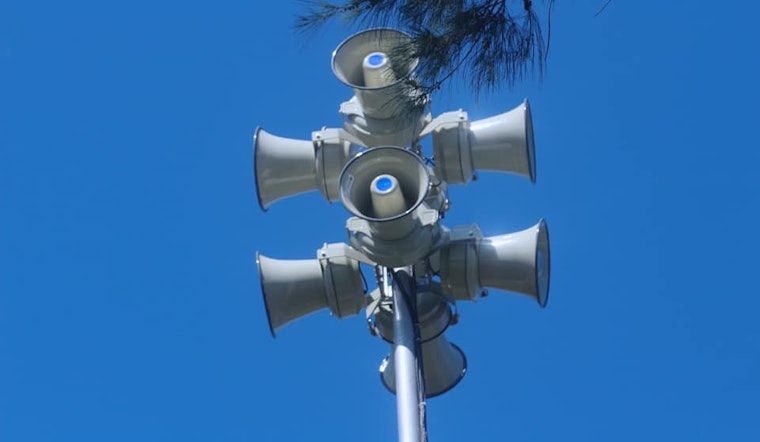
When tsunami warning sirens wailed across Oahu during July's eight-hour emergency alert, nearly one in five of the island's warning devices remained silent when residents needed them most. The system failure exposed critical gaps in Hawaii's emergency preparedness infrastructure during a magnitude-8.8 earthquake off Russia that kept the state under tsunami warning from 2:43 p.m. to 10:40 p.m. on July 29.
According to Honolulu Civil Beat, 26 sirens need repairs and nine are beyond repair out of 147 fully functioning sirens on Oahu. Palolo resident Randolph Hack could barely hear the warning sirens during the emergency or during a test three days later. Residents in Pacific Palisades, Pearl City, and Makaha also reported faint or inaudible sirens in their neighborhoods.
Years-Long Equipment Failures
The siren in Palolo has been broken for two years, as reported by Honolulu Civil Beat. Hack and other residents on Palolo's neighborhood board have been calling for repairs to the siren at a local park throughout this period. The situation becomes more concerning when considering the next closest siren on Wilhelmina Rise, about half a mile away, is one of 24 sirens statewide that doesn't work and needs complete replacement.
Coverage gaps extend beyond isolated neighborhoods to coastal communities across the island. There are significant gaps between working sirens on the Westside near Makaha, along the Windward Coast, and on the North Shore, according to Civil Beat's reporting.
System Under Increasing Strain
The current breakdown reveals the extent of Hawaii's emergency alert challenges, with even fewer operating sirens during the devastating 2023 Maui wildfires. As detailed by Honolulu Civil Beat, 92 sirens needed repairs or replacement two years ago compared to 78 this year. The timing proves particularly concerning given that neither Maui nor state emergency officials activated warning sirens during the August 2023 Lahaina wildfires that killed over 100 people.
Hawaii operates one of the world's largest integrated warning systems, created after deadly tsunamis struck the Big Island in 1946 and 1960. The state's all-hazards sirens serve multiple purposes beyond tsunami warnings, alerting residents to wildfires and other natural disasters with wails that can reach more than half a mile when functioning properly.
Modernization Efforts Underway
Recognizing these vulnerabilities, state lawmakers allocated $10 million over the past two years for siren modernization upgrades following the wildfires. The Hawaii Emergency Management Agency says two dozen new sirens will be installed by year's end, according to Honolulu Civil Beat. The state has also been relocating new sirens farther inland to protect them from potential tsunami waves and investigating bigger, more powerful sirens that can cover larger areas.
Innovation includes mobile sirens deployed in West Maui since the August 2023 wildfire destroyed permanent structures. These mobile units will be relocated to areas with inoperable sirens and other "high threat areas" once permanent sirens are reinstalled in West Maui.
July's Emergency Test
The July 29 tsunami emergency served as a critical real-world test of the warning system's capabilities. According to Hawaii News Now, warning sirens first sounded at 3:23 p.m. and continued at regular intervals throughout the afternoon and evening. The event ultimately caused no significant damage in Hawaii but highlighted the ongoing reliability challenges facing the state's emergency infrastructure.
Less than 80 percent of Hawaii's 418 alert and warning sirens are fully operational, based on recent testing data. Sirens have been damaged by lightning, vandalism, drunk drivers, and at least three burned in the Maui wildfires, while the harsh island environment with salt air, tropical storms, and volcanic activity presents unique maintenance challenges for electronic equipment.





