

























































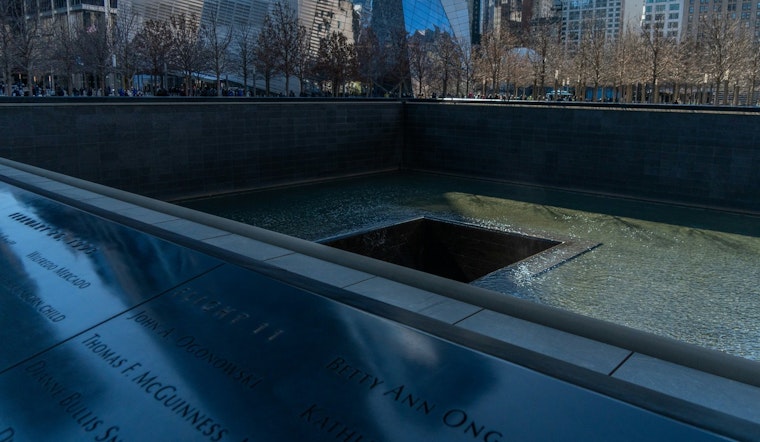
Nearly 24 years after the horrific events of September 11, the steadfast efforts of the New York City Office of the Chief Medical Examiner have led to the identification of three more victims from the World Trade Center attacks. These identifications bring aware to the painful reality that many families still face the absence of a finality, waiting for a day that might bring them some semblance of peace.
According to a report by ABC7 New York, the identified individuals include Ryan Fitzgerald of Floral Park, Barbara Keating of Palm Springs, and one adult woman whose name remains undisclosed at her family's request. These individuals are now tallied as the 1651st, 1652nd, and 1653rd victims to be positively ID'd out of the 2,753 lives claimed at ground zero.
Name etched into memory, Ryan Fitzgerald, once a "man on the town" according to his obituary, was discovered amidst the remains. His life, cut short at 26, was in the infancy of blossoming potential as a foreign currency trader. Barbara Keating, a 72-year-old breast cancer survivor, was commemorated in her obituary as well; she was traveling back to California after spending time with her grandchildren.
"The pain of losing a loved one in the September 11th terror attacks echoes across the decades, but with these three new identifications, we take a step forward in comforting the family members still aching from that day," Mayor Eric Adams relayed, as CBS News New York quoted. This sentiment is echoed by Dr. Jason Graham, Chief Medical Examiner, who emphasized that "each new identification testifies to the promise of science and sustained outreach to families despite the passage of time."
The breakthrough comes from the relentless advancements in DNA testing technology, allowing scientists to give names back to those lost. Still, the remains of some 1,100 victims lay unidentified. The quest of the medical examiner's office to identify the missing continues, a pledge to both the potency of science and the honoring of those no longer with us.





