

























































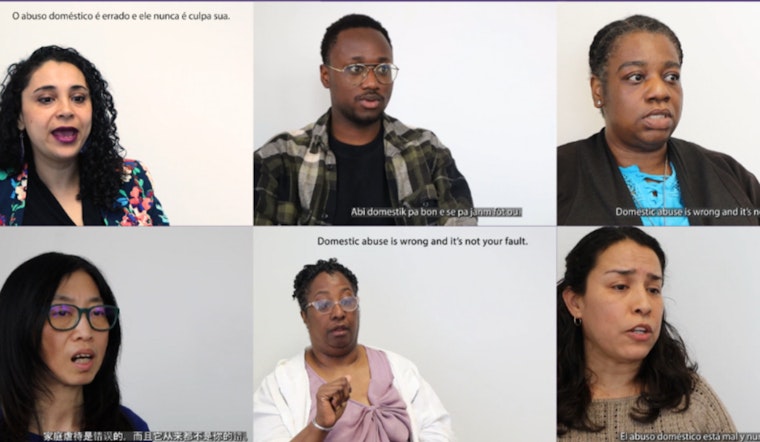
In an effort to make support and information on domestic abuse more accessible, a number of Philadelphia offices have teamed up to produce new, user-friendly resources in multiple languages. The initiative, led by the Office of Domestic Violence Strategies (ODVS) in collaboration with a host of other agencies, including the Office of Immigrant Affairs (OIA) and the Office of People with Disabilities (OPD), according to the City of Philadelphia.
The push for clarity in communication regarding domestic abuse support has been largely driven by community input, wherein survey responses stressed the importance of understandable content; a recent project in Philadelphia has taken those concerns to heart and put them into action, translating surveys to involve non-English speakers, with over 80% of surveys completed in other languages such as American Sign Language, this initiative exemplified the communal cry for inclusivity. Azucena Ugarte, Director of ODVS, highlighted the centrality of public feedback in shaping these resources, "Community feedback was really important to us to make sure the messages were relevant and appropriate," she told the City of Philadelphia.
The information gathered has informed the text for brochures, which were designed after considering an easy-read brochure from the UK. With help from the ASERT Collaborative and a graphic designer, the team developed materials utilizing simple language and icons to explain the nature of domestic abuse and ways to find assistance. These brochures are available in various languages, and according to Deise Rodrigues, Director of Language Access Programs with OIA, the initiative serves as "a powerful step toward ensuring that our multilingual communities know that support and resources are available to them," in a statement made by the City of Philadelphia.
Recognizing that videos can serve as a more approachable way to share sensitive information, the project produced translated recordings in multiple languages, guided by community recommendations. Bilingual volunteers appear on screen to create a sense of trust—like receiving advice from a friend—while the content expands on the details found in brochures and encourages survivors to seek help. Each brochure includes a QR code linking directly to the video in the corresponding language. "People with intellectual disabilities need this information. But it’s not often designed with them in mind. We were glad to support this project to make resources to meet our communities’ needs," Lea Sheffield, Special Populations Unit Manager for ODP, emphasized in her interview with the City of Philadelphia.





