

























































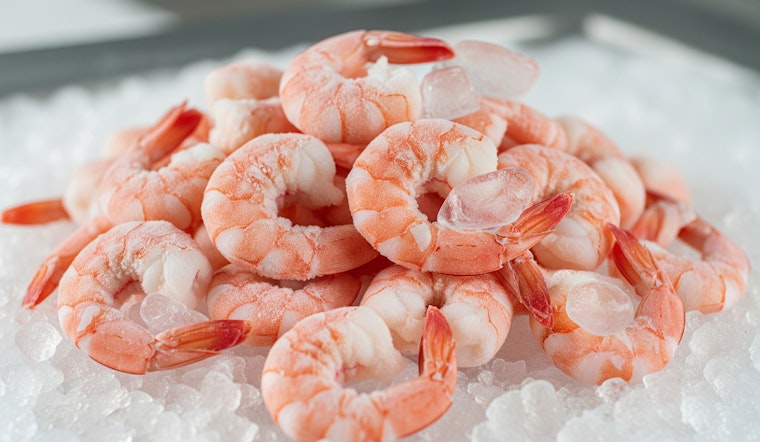
The federal food safety warning over potentially radioactive frozen shrimp widened this week: the FDA says an additional recall now covers products sold in nine states — including California, Massachusetts and Washington — after traces of cesium-137 were found in imported shipments.
That expansion follows an earlier advisory tied to Great Value shrimp sold at Walmart. The new recall was initiated on Aug. 21 by Southwind Foods, a California distributor, and applies to bagged, frozen raw and cooked shrimp distributed between July 17 and Aug. 8. Consumers, retailers and restaurants in the affected states are being urged not to eat, sell or serve the listed products.
Per the FDA, the Southwind Foods recall covers shipments distributed to retailers, distributors and wholesalers in Alabama, Arizona, California, Massachusetts, Minnesota, Pennsylvania, Utah, Virginia and Washington. The agency’s advisory also lists brand names and UPCs consumers should check.
What was found and where it came from
The FDA says U.S. Customs and Border Protection detected cesium-137 in shipping containers at four U.S. ports and that the contaminated sample traced back to product processed by PT. Bahari Makmur Sejati (doing business as BMS Foods) in Indonesia. FDA testing confirmed Cs-137 in one sample of frozen breaded shrimp at about 68.48 Bq/kg — well under the agency’s Derived Intervention Level of 1,200 Bq/kg, but enough for officials to recommend avoiding implicated lots to limit long-term exposure.
The Southwind Foods action affects multiple retail brands — including Sand Bar, Arctic Shores, Best Yet, Great American and First Street — and covers both raw and cooked bagged shrimp. Detailed UPCs, item numbers and lot codes are included in the FDA advisory so shoppers can cross-check packages in home freezers.
How big is the risk?
Scientists and news outlets cited by regulators stress that the measured level in the detained sample is far below the threshold for an acute health emergency, but the concern is cumulative exposure. Food-safety experts told local coverage the immediate risk to someone who ate a single serving is likely low, but regulators cite cancer risk from repeated low-dose exposure over time. For background on health effects, the FDA points readers to CDC resources on cesium-137 and radiation.
Retailers, recalls and import controls
The FDA’s advisory notes the agency added PT. Bahari Makmur Sejati to an import alert that allows future shipments to be detained until the firm resolves the problem. FDA officials also recommended that distributors and retailers who received product trace forward from the processor conduct appropriate recalls.
Walmart — which earlier pulled Great Value-branded frozen raw shrimp after FDA recommended a recall — said it removed the implicated product from stores and is cooperating with suppliers on the investigation, according to reporting by The Washington Post.
Why Bay Area readers should care
The recall matters locally because Southwind Foods has a major processing and distribution footprint in Southern California — its main office and processing complex are in Carson — and sells the listed brands into West Coast supply chains. Bay Area consumers who buy frozen shrimp from supermarket or wholesale channels should double-check labels, lot codes and best-by dates against the FDA product list before cooking or serving any bagged shrimp.
Hoodline Miami ran the earlier FDA advisory on Aug. 20, which covered the Walmart Great Value action and put shoppers in multiple southern and eastern metros on alert; our Bay Area readers should treat this expanded Southwind Foods recall as the next chapter in that same supply-chain problem. Hoodline Miami’s coverage summarizes the initial FDA warning and urged consumers to check for three specific Great Value lot codes.
Legal and regulatory implications
The FDA’s move to add the Indonesian processor to an import alert signals a formal enforcement posture: imports from that facility can be detained without physical exam until the company demonstrates corrective action. That step increases scrutiny on supply chains and shifts liability decisions to distributors and retailers that received product after the first detection. Food industry lawyers say recalls tied to potential chemical or radiological contamination can prompt regulatory penalties, private suits and costly trace-forward and disposal obligations if companies cannot show safe handling and testing protocols.
For consumers: if you have any of the named products, the FDA tells people to throw them away or return them to the place of purchase for a refund. If you have health concerns after possible exposure, contact your healthcare provider and mention the FDA advisory so clinicians can consider appropriate testing or monitoring, per federal guidance.
Where to look next
The FDA says its investigation is ongoing and that it will update the advisory as new product information or test results become available. Local and national outlets are updating coverage as retailers and distributors respond; we’ll track developments affecting California supply chains and Bay Area retailers, and update this story when the agency posts more product details or recalls.



