

























































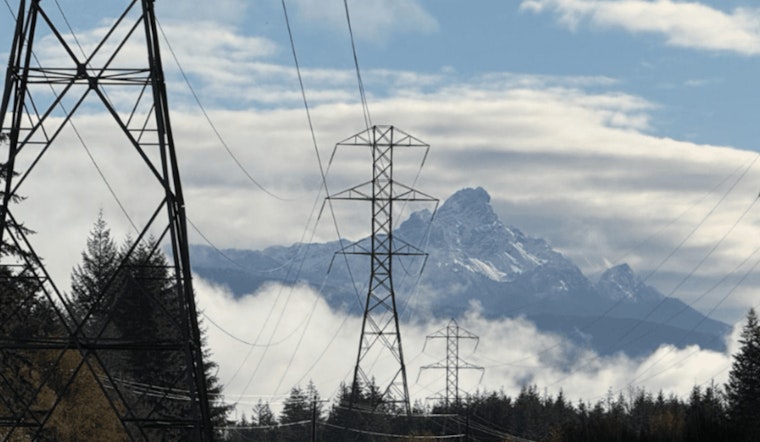
As wildfires continue to pose risks in areas where natural landscapes intersect with urban infrastructure, Seattle City Light is addressing the issue of trees impacting power lines. A recent City Light article details the Vegetation Management team’s use of advanced technologies to help protect the electrical grid.
LiDAR, or Light Detection and Ranging, plays a central role in City Light’s strategy for managing the balance between natural vegetation and the city’s power infrastructure. By providing detailed data on vegetation growth and its proximity to power lines, LiDAR helps the team identify potential risks. While workers trim trees along the city’s transmission corridors, this crucial work, supported by LiDAR technology, ensures grid stability, often unnoticed by passing motorists.
City Light’s strategy focuses on proactive measures designed to prevent power outages and wildfires caused by branches coming into contact with high-voltage lines. The team acknowledges that in their region, where forests and infrastructure frequently intersect, the risks involved are significant.
This work involves activities beyond routine maintenance, focusing on supporting community safety and maintaining the reliability of essential services. LiDAR technology scans vegetation to help identify potential risks that could result in power outages or fires caused by vegetation interference.



